

1/1
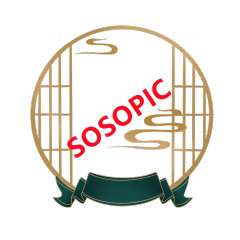
Exquisite Chinese Traditional Flower Window Border Design
File Type:PNG
This Chinese traditional flower window border design is a masterpiece that seamlessly fuses the essence of ancient architectural artistry with modern design sensibilities. Flower windows, an iconic element in traditional Chinese architecture, are not merely functional partitions but also repositories of profound cultural symbolism. They mirror the Chinese philosophy of integrating nature into daily life, with their patterns often inspired by natural elements, mythological tales, and auspicious symbols. By translating these rich elements into a border design, it offers a unique visual feast that not only pays homage to China’s cultural heritage but also adds an air of sophistication and elegance to any project, making it a versatile choice for diverse creative endeavors.
Design Features
2.1 Border Structure
- Innovative Frame Shapes: Departing from the conventional, this border design explores a wider range of frame shapes. Besides the classic rectangular, square, and circular forms, it also incorporates more unconventional shapes like octagonal, hexagonal, and petal - shaped frames. Each shape carries its own cultural connotations; for example, the octagonal shape is associated with prosperity and good luck in Chinese culture, while the petal - shaped frame evokes the beauty and grace of flowers. The edges of the frames can be crafted with either smooth, sleek lines for a contemporary look or elaborate, hand - carved details to replicate the intricate craftsmanship of ancient flower windows.
- Three - Dimensional Openwork: Unlike traditional flat openwork, this design features a three - dimensional openwork structure. By adding depth through techniques such as layering different patterns or using embossed effects, it creates an illusion of the patterns emerging from the border. This not only enhances the visual appeal but also makes the border more dynamic, as light and shadows play across the surface, adding a sense of movement and dimension.
2.2 Pattern Design
- Mythological and Natural Motifs: The patterns within the border draw inspiration from a vast array of sources, including Chinese mythology and nature. Mythological creatures like dragons, phoenixes, and qilins are depicted in a stylized manner, symbolizing power, auspiciousness, and nobility respectively. From nature, motifs such as bamboo, pine trees, and chrysanthemums, which represent integrity, longevity, and resilience, are intricately woven into the design. These motifs are not only aesthetically pleasing but also carry deep cultural meanings, telling stories of Chinese values and beliefs.
- Abstract and Geometric Combinations: In addition to traditional motifs, the design also incorporates abstract and geometric elements. Simple geometric shapes like triangles, circles, and squares are combined and rearranged to form complex, modern - looking patterns. These abstract patterns are then interspersed with traditional motifs, creating a harmonious blend of the old and the new. This combination not only appeals to a contemporary audience but also showcases the adaptability and evolution of Chinese traditional art.
2.3 Color Palette
- Rich and Diverse Tones: The color palette of this border design is rich and diverse, going beyond the traditional colors. While earthy tones like brown, beige, and terracotta are still used to represent the natural materials of ancient flower windows, a wider range of colors is introduced. Deep blues and greens are used to evoke the tranquility of nature, while vibrant oranges and purples add a touch of drama and excitement. Metallic colors such as gold, silver, and copper are used sparingly to highlight key elements of the pattern, giving the border a luxurious and opulent feel.
- Gradient and Ombre Effects: To add more visual interest, gradient and ombre effects are applied to the colors. For example, a petal - shaped frame might have a gradient from a light pink at the center to a deeper magenta at the edges, mimicking the natural color transition of a flower. These color effects not only make the border more visually appealing but also enhance the three - dimensional look of the openwork structure, making the patterns seem more lifelike and dynamic.
2.4 Composition and Layout
- Asymmetrical Balance: Instead of relying solely on symmetry, this design emphasizes asymmetrical balance. Patterns are arranged in a way that creates a sense of movement and flow, with different elements interacting with each other to draw the viewer’s eye across the border. This asymmetrical approach gives the border a more contemporary and artistic feel, while still maintaining a sense of harmony and balance.
- Negative Space Utilization: Negative space is strategically used in the composition to enhance the overall design. By leaving areas of the border blank, it creates a contrast with the intricate patterns, making them stand out more. The negative space also gives the design a sense of breathing room, preventing it from looking cluttered or overwhelming. This careful balance between the patterns and negative space ensures that the border is visually appealing and easy to appreciate.
3. Application Scenarios
3.1 Interior Design
- Wall Decor: Ideal for use as wall decals or stencils, this flower window border design can transform plain walls into works of art. Whether in a living room, bedroom, or study, it adds a touch of Chinese cultural charm and elegance. It can be used to frame a piece of artwork, a mirror, or a window, creating a focal point in the room.
- Furniture Embellishment: The border can also be applied to furniture pieces such as cabinets, tables, and chairs. By painting or inlaying the design on the edges or surfaces of the furniture, it gives the pieces a unique and personalized look. It can be used to update old furniture, giving it a new lease on life, or to add a cultural touch to modern furniture designs.
3.2 Fashion and Textiles
- Clothing and Accessories: Incorporating this design into clothing and accessories can create a unique and stylish look. It can be printed on dresses, shirts, scarves, or even bags, adding a touch of Chinese traditional art to modern fashion. The border can be used as a hemline, a collar, or a decorative strip, making the clothing or accessory stand out.
- Textile Design: In textile design, the flower window border can be used as a repeating pattern for fabrics such as curtains, upholstery, and bedding. It can create a cohesive and elegant look in a room, whether used in a traditional or contemporary interior. The rich colors and intricate patterns of the border add depth and texture to the textiles, enhancing the overall aesthetic of the space.
3.3 Branding and Identity
- Logo and Branding Elements: For businesses related to Chinese culture, art, or traditional crafts, this flower window border design can be used as part of their logo or branding elements. It helps to convey the brand’s cultural heritage and values, making it more memorable and distinctive. The border can be incorporated into the logo, business cards, letterheads, and other marketing materials, creating a consistent and professional brand image.
- Packaging Design: In packaging design, the border can be used to enhance the visual appeal of products. Whether it’s for tea, ceramics, or other Chinese - themed products, the flower window border adds a touch of elegance and cultural significance. It makes the product stand out on the shelves, attracting customers and increasing the perceived value of the product.


