

1/1
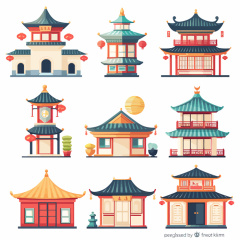
Collection of Nine Traditional Chinese Classical Architecture Icons with Festival Atmosphere
File Type:EPS
This collection of nine traditional Chinese classical architecture icons presents a captivating blend of historical grandeur and festive charm. Each icon vividly portrays distinct types of traditional architecture, such as palaces, temples, and pavilions, with a unique touch - lanterns hanging from the upturned eaves, which are characteristic of Chinese architecture. This not only showcases the exquisite design and profound cultural connotations of classical Chinese architecture but also infuses a strong sense of celebration, making these icons a perfect visual representation of traditional Chinese culture during festive occasions. They serve as valuable resources for a wide range of applications, including cultural promotion, educational materials, digital design, and artistic creations, bringing the allure of traditional Chinese architecture and the joy of festivals to a global audience.
Icon Details
2.1 Grand Temple Main Hall with Lanterns Icon
- Stately Facade and Festive Decor: The icon features the main hall of a grand temple. Its facade is imposing, with a high - pitched, multi - ridged roof that is a hallmark of traditional temple architecture. Mythical beast statues, symbolizing protection and good fortune, adorn the ridges. What makes it stand out is the row of bright red lanterns hanging from the upturned eaves. These lanterns, with their warm glow, not only add a touch of festivity but also create a contrast against the solemnity of the temple, highlighting the harmonious coexistence of religious solemnity and celebratory spirit.
- Roof and Eaves Architecture: The multi - tiered roof, supported by elaborate brackets, demonstrates the 高超 carpentry skills of ancient China. The upturned eaves, designed in a way that combines aesthetics and functionality, are now further enhanced by the lanterns. The use of traditional building materials like glazed tiles, often in colors such as yellow (symbolizing the sacred) or green (representing nature and growth), gives the hall a majestic appearance, while the lanterns' light reflects off the tiles, creating a beautiful and dynamic visual effect.
2.2 Palace - Style Temple Courtyard Gate with Lanterns Icon
- Magnificent Entrance and Festive Accents: This icon showcases a temple courtyard gate designed in a palace - like style. The gate is tall and sturdy, with a central archway flanked by smaller side arches or decorative elements. The lintel above the archway is intricately carved with patterns of dragons, phoenixes, or religious stories, reflecting the rich cultural and religious heritage. Red lanterns, suspended from the eaves of the gate, create a warm and inviting atmosphere, as if welcoming visitors to a grand celebration within the temple.
- Decorative Finishes and Lantern Display: Stone lions, one male and one female, stand guard on either side of the entrance, symbolizing protection. The surface of the gate, painted in vibrant colors and adorned with metal studs or knockers in traditional designs, is further enlivened by the lanterns. The light from the lanterns illuminates the carvings and decorative elements, making them more prominent and adding to the overall sense of grandeur and celebration.
2.3 Two - Storey Pavilion in Temple Grounds with Lanterns Icon
- Graceful Structure and Festive Ambiance: Depicting a two - storey pavilion within temple grounds, this icon captures its elegance and the added charm of the festival. The first floor has an open - air layout, with columns providing support and a sense of spaciousness. The upper storey features a balcony with balustrades. Lanterns are hung from the eaves of both storeys, casting a soft light that enhances the peaceful and festive atmosphere of the temple.
- Interior - Exterior Harmony and Lantern Appeal: The pavilion is designed to blend harmoniously with its surroundings, and the lanterns play a crucial role in this. The interior may be simply furnished with wooden benches or small altars, while the exterior, with its lattice windows and now the lanterns, creates a beautiful and inviting space. The gentle curve of the roof, with upturned eaves, gives the pavilion a light and airy appearance, and the lanterns swinging in the breeze add a touch of liveliness, as if the pavilion is part of a joyous celebration.
2.4 Imperial - Inspired Temple Bell Tower with Lanterns Icon
- Tall Bell Tower and Festival Glow: This icon represents a temple bell tower inspired by imperial architecture. The tower is tall and sturdy, often made of stone or brick, with a square or octagonal base and multiple storeys. At the top, a large bell is housed, which is an important part of the temple's religious and cultural activities. Red lanterns are evenly spaced along the eaves of each storey, creating a vertical line of warm light that makes the bell tower stand out, especially at night, during festivals.
- Symbolic Bell, Decoration, and Lantern Effect: The bell, often decorated with inscriptions or reliefs related to Buddhist teachings or the temple's history, is now complemented by the lanterns. The tower itself may be adorned with decorative elements such as eaves, finials, or carvings of animals and plants. The lanterns' light not only illuminates these details but also gives the tower a festive and sacred glow, emphasizing its significance within the temple complex during celebrations.
2.5 Temple Hall with Intricate Carvings and Lanterns Icon
- Exquisite Carvings and Festive Lighting: The icon features a temple hall filled with intricate carvings on columns, beams, and walls. These carvings tell stories from religious scriptures, historical events, or local legends, with images of deities, saints, animals, flowers, and geometric patterns. Lanterns hanging from the ceiling and eaves of the hall cast a warm light that accentuates the details of the carvings, making them more vivid and adding a festive touch to the hall.
- Cultural Significance and Lantern - Enhanced Atmosphere: Each carving in the temple hall has a specific cultural or spiritual meaning. For example, carvings of dragons may represent power and the divine, while lotus flowers symbolize purity and enlightenment. The lanterns, with their soft glow, enhance the hall's spiritual and celebratory atmosphere. During festivals, the hall becomes a place where the rich cultural heritage is on full display, and the lanterns contribute to the sense of joy and reverence.
2.6 Palace - like Temple Meditation Pavilion with Lanterns Icon
- Serene Meditation Space and Festival Touch: Depicting a meditation pavilion in a temple, designed in a palace - like style, this icon captures its serene atmosphere with a festive twist. The pavilion is usually located in a quiet corner of the temple grounds, surrounded by gardens, trees, or a small pond. Red lanterns, hanging from the eaves, add a touch of color and celebration to the otherwise peaceful space.
- Interior Design for Meditation and Lantern - Induced Ambiance: The interior of the pavilion, designed to facilitate meditation with a raised platform in the center and simple calligraphy works or religious paintings on the walls, is now enhanced by the lanterns' soft light. The use of natural materials like wood and bamboo gives the pavilion a sense of tranquility, and the lanterns' warm glow creates a more inviting and celebratory environment, as if the meditation space is also part of the temple's festive celebrations.
2.7 Temple Archway with Multiple Layers and Lanterns Icon
- Elaborate Archway Structure and Festival Decor: This icon showcases a temple archway with a complex and multi - layered structure. The central arch is often the largest and most prominent, with smaller arches on either side. The archway is adorned with a variety of symbolic and decorative elements, such as finials or statues representing religious figures or symbols of good fortune. Lanterns are hung from the archway's eaves, creating a beautiful and festive entrance to the temple.
- Symbolic and Decorative Elements with Lantern Enhancement: The surfaces of the archway, carved with intricate patterns like clouds, waves, or auspicious symbols, are now illuminated by the lanterns. The archway, which marks the transition from the secular world to the sacred realm, becomes even more significant during festivals with the addition of the lanterns. Their light makes the archway stand out, guiding visitors into the temple and adding to the overall festive and spiritual atmosphere.
2.8 Palace - Style Temple Treasury Hall with Lanterns Icon
- Secure Treasury Hall and Festival Atmosphere: The icon represents a temple treasury hall designed in a palace - style. The hall is a sturdy structure, with thick walls and a strong roof to protect the valuable religious artifacts and treasures inside. The main entrance is well - guarded, with large doors that may be decorated with metal fittings and locks. Red lanterns, hanging from the eaves, add a touch of festivity to this important and often solemn building.
- Interior and Exterior Decoration with Lantern Influence: The exterior of the treasury hall, decorated with carvings of precious objects such as jewels, coins, or religious relics on the walls and columns, is now more visible and appealing under the light of the lanterns. The interior, with its carefully designed shelves, cabinets, or altars to display and store the treasures, also benefits from the warm glow of the lanterns, creating a more inviting and celebratory environment, despite the hall's primary function of security.
2.9 Temple Drum Tower with Traditional Design and Lanterns Icon
- Distinctive Drum Tower Structure and Festival Glimmer: This icon features a temple drum tower with a traditional design. The tower is usually a square or rectangular structure, made of wood or a combination of wood and stone, with a base wider than the upper part for stability. It has multiple storeys, with the top storey housing a large drum. Lanterns are hung from the eaves of each storey, creating a beautiful visual effect, especially at night during festivals.
- Function and Decoration with Lantern - Added Charm: The drum in the tower, used to mark the time, announce the beginning and end of religious ceremonies, or signal important events within the temple, is now accompanied by the warm light of the lanterns. The tower itself, decorated with elements characteristic of traditional Chinese architecture such as upturned eaves, decorative brackets, carvings, or painted patterns on the walls and columns, becomes more charming and festive with the lanterns, adding to the architectural beauty of the temple complex during celebrations.
Design Features
- Authentic Architectural Representation: Each icon is meticulously designed based on in - depth research of traditional Chinese architecture, ensuring an accurate portrayal of the architectural features, from the structure of the buildings to the details of the carvings and decorations. The use of traditional building elements such as upturned eaves, brackets, and glazed tiles is faithful to historical and cultural norms.
- Festive Atmosphere Creation: The addition of lanterns hanging from the eaves is a key design element that infuses a strong sense of celebration. The red color of the lanterns, which is highly symbolic in Chinese culture, representing good luck, happiness, and prosperity, combined with their warm glow, creates a vivid and inviting festive atmosphere that is closely associated with traditional Chinese festivals.
- Cultural Symbolism Integration: Every element in the icons, from the architectural forms to the decorative motifs and the lanterns, is chosen to convey rich cultural symbolism. The mythical beast statues, carvings of religious and historical figures, and traditional patterns all carry deep - seated cultural and religious meanings, while the lanterns further enhance the celebration of these cultural values during festivals.
Application Scenarios
- Cultural and Educational Projects: Ideal for textbooks, educational websites, and museum exhibits on Chinese history, culture, and architecture. These icons can effectively illustrate the characteristics of traditional Chinese architecture and the significance of festivals in Chinese culture. They help learners visualize and understand the connection between architecture, culture, and celebration, making the learning process more engaging and immersive.
- Digital Interfaces: Perfect for apps, websites, or software related to historical tourism, cultural heritage exploration, or festival - themed events. The icons can enhance the user experience by adding an authentic and visually appealing touch. For example, in a virtual tour app of a famous temple or palace during a festival, these icons can be used to represent different buildings and areas, making the navigation more intuitive and exciting.
- Art and Design Projects: Suitable for graphic designers, illustrators, and artists working on projects with a historical, cultural, or festival - themed background. The icons can be used as inspiration, reference, or as elements in larger artworks. They can be incorporated into book covers, posters, or digital art projects to add a touch of traditional Chinese charm and the festive spirit, attracting the audience's attention and evoking a sense of cultural connection.
- Event Branding: Useful for cultural festivals, religious ceremonies, or traditional Chinese New Year celebrations. The icons can be incorporated into logos, posters, and other promotional materials to create a cohesive and culturally - relevant brand image. For a Chinese New Year festival, the icons can be used to design eye - catching posters that not only showcase the beauty of traditional architecture but also convey the joy and excitement of the festival, attracting more attendees.


