

1/1
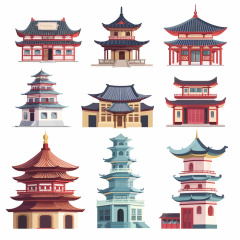
Collection of Nine Chinese Classical - Style Architecture Pattern Collections, Including Pavilions and Pagodas
File Type:EPS
This collection encompasses nine exquisitely designed Chinese classical - style architecture patterns, prominently featuring pavilions and pagodas. Each pattern is a vivid portrayal of the elegance and grandeur of traditional Chinese architecture, offering a glimpse into the rich historical and cultural heritage of China. The pavilions, with their unique multi - tiered roofs and open - air structures, symbolize the harmonious integration of man and nature, often seen in gardens and temple grounds. The pagodas, characterized by their tall, slender forms and multiple storeys, are not only architectural marvels but also hold deep religious significance, frequently standing as spiritual landmarks in the landscape. These patterns are not only aesthetically pleasing but also serve as valuable visual resources for those interested in Chinese culture, architecture, art, and design. Whether used for educational purposes, cultural promotion, or creative projects, they bring the charm of traditional Chinese architecture to a global audience.
Pattern Details
2.1 Two - Storey Pavilion with Curved Roof and Lanterns Pattern
- Graceful Structure and Festive Touch: This pattern showcases a two - storey pavilion with a gracefully curved roof, a common feature in Chinese classical architecture. The first floor has an open - air layout, with columns providing support and creating a sense of spaciousness. The upper storey features a balcony with delicate balustrades. What makes this pattern stand out is the addition of red lanterns hanging from the eaves of both storeys. The lanterns, a symbol of celebration and good fortune in Chinese culture, add a touch of festivity to the otherwise serene pavilion, creating a warm and inviting atmosphere.
- Roof Design and Pavilion Function: The curved roof of the pavilion is not only aesthetically appealing but also serves practical purposes. It helps to drain rainwater efficiently and gives the building a light and airy appearance. The pavilion's design is such that it allows for a good view of the surrounding scenery, making it an ideal place for relaxation, meditation, or social gatherings. The combination of the natural wood texture of the pavilion and the bright red lanterns creates a beautiful contrast, highlighting the elegance of the structure.
2.2 Three - Storey Pavilion in a Garden Setting Pattern
- Scenic Integration and Architectural Charm: Depicting a three - storey pavilion nestled in a beautiful garden, this pattern captures the essence of Chinese garden architecture. The pavilion is surrounded by lush greenery, including flowers, trees, and perhaps a small pond with lotus flowers. The three - storey structure has a distinct hierarchy, with each storey having its own set of windows and balconies. The eaves of each storey are decorated with traditional architectural details, such as upturned corners and decorative brackets.
- Garden - Pavilion Symbiosis: In Chinese culture, gardens and pavilions are often designed to complement each other. The pavilion serves as a focal point in the garden, providing a place for people to enjoy the beauty of nature. The garden, on the other hand, enhances the pavilion's charm by creating a serene and peaceful environment. The pattern may also include elements like winding paths, rockeries, and bridges, all of which contribute to the overall harmonious aesthetic of the Chinese garden.
2.3 Pagoda with Seven Storeys and Hanging Bells Pattern
- Tall and Majestic Pagoda Structure: This pattern features a seven - storey pagoda, a common and highly revered form in Chinese Buddhist architecture. The pagoda is tall and slender, with each storey gradually decreasing in size as it ascends. The eaves of each storey are wide and gently curved, giving the pagoda a sense of elegance and stability. What adds to its allure are the hanging bells on the eaves. The bells, when gently swayed by the wind, produce a soft and melodious sound, which is believed to ward off evil spirits and bring peace.
- Religious Significance and Architectural Details: Pagodas in Chinese culture are often associated with Buddhism and are used to house Buddhist relics or as places for religious ceremonies. The number of storeys in a pagoda can have symbolic meaning, with seven - storey pagodas being quite common. The architectural details, such as the intricate carvings on the pagoda's body, the decorative finials on the top, and the well - crafted eaves, showcase the high level of craftsmanship of ancient Chinese artisans.
2.4 Pagoda with Nine Storeys and Decorative Finials Pattern
- Grand Nine - Storey Pagoda Design: The nine - storey pagoda in this pattern is a magnificent sight. Its tall structure dominates the landscape, with each of the nine storeys contributing to its imposing presence. The pagoda is adorned with decorative finials at the corners of each storey, adding a touch of splendor. The finials are often in the shape of mythical creatures or traditional Chinese symbols, such as dragons or phoenixes, which represent power, good fortune, and auspiciousness.
- Symbolism and Visual Appeal: The nine - storey design of the pagoda is not only for show but also holds symbolic significance. In Chinese culture, the number nine is considered a lucky and auspicious number, representing longevity and perfection. The pagoda's design, with its combination of the tall structure, decorative finials, and traditional architectural elements, creates a visually stunning pattern that is both a testament to Chinese architectural prowess and a carrier of cultural symbolism.
2.5 Pavilion - Pagoda Complex Pattern
- Harmonious Architectural Ensemble: This pattern presents a unique combination of a pavilion and a pagoda in a single complex. The pavilion, perhaps a two - or three - storey structure, is located adjacent to the pagoda. The two buildings are connected by a walkway or a series of steps, creating a seamless transition between them. The pavilion may have a more open and relaxed design, while the pagoda stands tall and solemn.
- Function and Aesthetic Appeal: The pavilion - pagoda complex serves multiple functions. The pavilion can be used for various activities, such as rest, study, or socializing, while the pagoda is a place of religious significance. Together, they form an aesthetically pleasing ensemble that showcases the versatility and creativity of Chinese architecture. The pattern may also include elements like a small courtyard, some greenery, and decorative elements that tie the two buildings together.
2.6 Pavilion with Intricate Wood Carvings Pattern
- Exquisite Wood Carving Details: This pattern focuses on a pavilion with intricate wood carvings on its columns, beams, and eaves. The carvings depict a variety of themes, such as scenes from Chinese mythology, historical events, or nature elements like flowers, birds, and animals. Each carving is a masterpiece of craftsmanship, with fine details and smooth finishes. The use of wood as the main material not only gives the pavilion a warm and natural look but also allows for the creation of these elaborate carvings.
- Cultural and Artistic Significance: Wood carvings in Chinese architecture are not just for decoration but also carry deep cultural and artistic significance. They tell stories, convey values, and showcase the skills of the artisans. The pavilion with its intricate wood carvings is a prime example of how art and architecture are seamlessly integrated in Chinese classical design. The carvings, combined with the overall structure of the pavilion, create a space that is both beautiful and meaningful.
2.7 Pagoda with Colorful Glazed Tiles Pattern
- Vibrant Glazed Tile Adornment: The pagoda in this pattern is covered with colorful glazed tiles, which give it a vibrant and eye - catching appearance. The glazed tiles come in a variety of colors, such as yellow, green, blue, and red, and are arranged in intricate patterns. The tiles not only add to the visual appeal of the pagoda but also have practical functions, such as protecting the structure from the elements and reflecting light, making the pagoda stand out even more, especially in sunlight.
- Symbolism and Durability of Glazed Tiles: In Chinese architecture, glazed tiles are often used in important buildings, especially religious structures like pagodas. The color yellow, for example, is associated with the imperial family and the Buddha, symbolizing nobility and divinity. Green represents nature and growth, while blue and red also have their own symbolic meanings. The use of glazed tiles also enhances the durability of the pagoda, ensuring that it can withstand the test of time and weather.
2.8 Pavilion with a Surrounding Water Feature Pattern
- Pavilion - Water Symbiosis: This pattern features a pavilion surrounded by a beautiful water feature, such as a pond, a small lake, or a flowing stream. The pavilion is often built on a platform or a small island in the water, connected to the land by a bridge. The reflection of the pavilion in the water creates a beautiful and serene scene, especially when the water is calm. The water feature not only adds to the aesthetic appeal of the pavilion but also provides a sense of tranquility.
- Cultural and Environmental Significance: In Chinese culture, water is considered a symbol of wealth, prosperity, and good fortune. Placing a pavilion near a water feature is a common design choice that reflects the importance of nature in Chinese architecture. The water also helps to regulate the temperature around the pavilion, creating a more comfortable environment. The combination of the pavilion, the water, and perhaps some surrounding greenery forms a harmonious and idyllic setting.
2.9 Pagoda in a Mountainous Landscape Pattern
- Pagoda - Mountain Harmony: Depicting a pagoda standing in a mountainous landscape, this pattern captures the beauty of the natural - built environment relationship in Chinese culture. The pagoda, with its tall and distinct silhouette, stands out against the backdrop of the mountains. The mountains, with their lush forests, rocky outcrops, and perhaps a waterfall or a stream, provide a majestic and serene setting for the pagoda.
- Spiritual and Aesthetic Connection: Pagodas are often built in mountainous areas in China as they are considered to be closer to the divine in such natural settings. The pattern reflects the spiritual connection between the built structure and the natural world. The contrast between the man - made pagoda and the natural mountains creates a visually stunning image that also conveys a sense of peace, harmony, and the timelessness of Chinese architecture.
Design Features
- Authentic Representation of Classical Architecture: Each pattern in the collection is designed with great attention to detail, accurately representing the key features of Chinese classical architecture. From the unique roof structures, such as the curved eaves and multi - tiered designs of pavilions and pagodas, to the use of traditional building materials like wood, stone, and glazed tiles, the patterns adhere to the historical and cultural norms of Chinese architecture.
- Rich Cultural Symbolism: Every element in the patterns, from the architectural forms to the decorative motifs, is chosen to convey deep - seated cultural symbolism. The pagodas, for example, are not only religious structures but also symbols of spiritual growth and enlightenment. The pavilions, with their open - air designs, represent the Chinese philosophy of harmony with nature. The decorative elements, such as carvings of mythical creatures, flowers, and traditional symbols, all carry specific meanings related to Chinese mythology, history, and values.
- Aesthetic Appeal: The patterns are designed to be visually appealing, combining the elegance of Chinese architecture with the beauty of traditional art. The use of colors, especially in the case of the glazed - tile - covered pagodas and the red lanterns on pavilions, adds a touch of vibrancy and festivity. The intricate carvings, the harmonious proportions of the buildings, and the integration of natural elements all contribute to the overall aesthetic charm of the patterns.
4. Application Scenarios
- Cultural and Educational Materials: Ideal for textbooks, educational websites, and museum exhibits related to Chinese history, culture, and architecture. These patterns can effectively illustrate the characteristics and significance of pavilions and pagodas in Chinese architecture, helping learners visualize and understand the rich cultural heritage. They can be used to teach about the history, symbolism, and construction techniques of these traditional buildings.
- Digital Design and Art Projects: Suitable for graphic designers, illustrators, and digital artists working on projects with a Chinese - themed or historical background. The patterns can be used as inspiration, reference, or as elements in larger artworks. They can be incorporated into book covers, posters, digital illustrations, or video game designs to add a touch of traditional Chinese charm and authenticity.
- Interior Design and Decoration: The patterns can be used in interior design projects to create a Chinese - style ambiance. They can be printed on wallpapers, used as motifs on fabrics for curtains or upholstery, or incorporated into decorative objects such as wall hangings or tiles. Whether in a residential or commercial setting, these patterns can bring a sense of cultural elegance to the space.
- Tourism and Hospitality Industry: For hotels, resorts, or tourist attractions with a focus on Chinese culture, these patterns can be used in branding, signage, and interior decoration. They can help create a unique and immersive experience for guests, enhancing the overall cultural appeal of the establishment. In tourist brochures or websites, the patterns can be used to showcase the beauty of Chinese architecture and attract visitors.


