

1/1
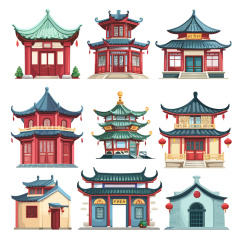
Collection of Nine Ancient Chinese Temple and Palace Architecture Icons
File Type:EPS
This collection of nine ancient Chinese temple and palace architecture icons is a visually stunning and culturally rich compilation. It encapsulates the grandeur, elegance, and profound symbolism of traditional Chinese religious and imperial architecture. Each icon is meticulously designed to represent the unique features of iconic temple and palace structures, such as the imposing main halls, delicate pavilions, and towering gateways. These icons not only showcase the remarkable craftsmanship and design principles of ancient times but also serve as valuable visual resources for a wide range of applications. Whether for cultural projects, educational materials, digital interfaces, or artistic creations, they offer a window into China's glorious past, bringing the splendor of ancient Chinese temple and palace architecture to the modern world.
Icon Details
2.1 Grand Temple Main Hall Icon
- Solemn Facade: The icon depicts the main hall of a large - scale temple, featuring a solemn and imposing facade. The hall is characterized by a high - pitched roof with multiple ridges, often adorned with mythical beast statues that symbolize protection and auspiciousness. The main entrance is grand, with thick wooden columns on either side, and the double doors may be decorated with intricate carvings of Buddhist or Taoist motifs, such as lotus flowers, lions, or deities.
- Roof and Eaves Design: The roof of the temple main hall is a multi - tiered structure, with upturned eaves that not only add an elegant touch but also serve practical functions, such as diverting rainwater. The eaves are supported by elaborate brackets, which are both decorative and functional, demonstrating the high - level carpentry skills of ancient Chinese artisans. The use of glazed tiles, often in colors like yellow (symbolizing the sacred) or green (representing nature and growth), further enhances the grandeur of the hall.
2.2 Palace - Style Temple Courtyard Gate Icon
- Magnificent Entrance Structure: This icon showcases a gate that serves as the entrance to a temple courtyard, designed in a palace - like style. The gate has a tall and sturdy structure, with a central archway flanked by smaller side arches or decorative elements. The archway is framed by thick stone or wooden posts, and the lintel above it is carved with detailed patterns, such as dragons, phoenixes, or scenes from religious stories.
- Decorative Finishes: The gate is adorned with various decorative elements. Stone lions, one male and one female, are placed on either side of the entrance, symbolizing protection and guardianship. The surface of the gate may be painted in vibrant colors, and there may be metal studs or knockers in traditional designs, adding to its aesthetic appeal and sense of grandeur.
2.3 Two - Storey Pavilion in Temple Grounds Icon
- Graceful Two - Storey Design: Depicting a two - storey pavilion within the temple grounds, this icon captures its graceful and delicate structure. The first floor usually has an open - air layout, with columns providing support and creating a sense of spaciousness. The upper storey features a balcony with balustrades, which offers a vantage point for visitors to enjoy the temple's peaceful environment or observe religious ceremonies.
- Interior and Exterior Harmony: The pavilion is designed to blend harmoniously with its surroundings. The interior may be simply furnished with wooden benches or small altars, while the exterior is decorated with elements such as lattice windows, which not only allow for ventilation but also add an air of elegance. The roof of the pavilion has a gentle curve, with upturned eaves that give it a light and airy appearance, as if it is floating within the temple complex.
2.4 Imperial - Inspired Temple Bell Tower Icon
- Tall and Sturdy Bell Tower: This icon represents a bell tower in a temple, designed with inspiration from imperial architecture. The tower is tall and sturdy, often made of stone or brick, with a square or octagonal base. It has multiple storeys, each with windows or openings that allow the sound of the bell to travel far and wide.
- Symbolic Bell and Decoration: At the top of the tower, there is a large bell, which is an important part of the temple's religious and cultural activities. The bell is often decorated with inscriptions or reliefs related to Buddhist teachings or the history of the temple. The tower itself may also be adorned with decorative elements, such as eaves, finials, or carvings of animals and plants, which add to its visual interest and cultural significance.
2.5 Temple Hall with Intricate Carvings Icon
- Exquisite Carving Details: The icon features a temple hall with an abundance of intricate carvings. The columns, beams, and walls of the hall are covered with detailed carvings that tell stories from religious scriptures, historical events, or local legends. These carvings may include images of deities, saints, animals, flowers, and geometric patterns, all executed with great precision and artistry.
- Cultural and Spiritual Significance: Each carving in the temple hall has a specific cultural or spiritual meaning. For example, carvings of dragons may represent power and the divine, while lotus flowers symbolize purity and enlightenment. The elaborate carvings not only beautify the hall but also serve as a form of religious education, conveying important messages and values to the believers.
2.6 Palace - like Temple Meditation Pavilion Icon
- Serene Meditation Space: Depicting a meditation pavilion in a temple, designed in a palace - like style, this icon captures its serene and peaceful atmosphere. The pavilion is usually located in a quiet corner of the temple grounds, surrounded by gardens, trees, or a small pond. It has a simple yet elegant structure, with a roof supported by wooden columns.
- Interior Design for Meditation: The interior of the pavilion is designed to facilitate meditation. It may have a raised platform in the center, where monks or believers can sit and meditate. The walls may be decorated with simple calligraphy works or religious paintings that inspire calmness and spiritual reflection. The use of natural materials, such as wood and bamboo, further enhances the sense of tranquility within the pavilion.
2.7 Temple Archway with Multiple Layers Icon
- Elaborate Archway Structure: This icon showcases a temple archway with a complex and multi - layered structure. The archway is composed of several layers of stone or wood, each layer contributing to its overall strength and aesthetic appeal. The central arch is often the largest and most prominent, with smaller arches on either side.
- Symbolic and Decorative Elements: The archway is adorned with a variety of symbolic and decorative elements. At the top of the archway, there may be a finial or a statue that represents a religious figure or a symbol of good fortune. The surfaces of the archway are carved with intricate patterns, such as clouds, waves, or auspicious symbols, which add to its beauty and cultural significance. The archway serves as a gateway to the temple, marking the transition from the secular world to the sacred realm.
2.8 Palace - Style Temple Treasury Hall Icon
- Secure and Ornate Treasury Hall: The icon represents a treasury hall in a temple, designed in a palace - style. The hall is a sturdy structure, often with thick walls and a strong roof, to protect the valuable religious artifacts and treasures stored inside. The main entrance is well - guarded, with large doors that may be decorated with metal fittings and locks.
- Interior and Exterior Decoration: The exterior of the treasury hall is decorated with elements that reflect its importance and the wealth it contains. There may be carvings of precious objects, such as jewels, coins, or religious relics, on the walls and columns. The interior is also carefully designed, with shelves, cabinets, or altars to display and store the treasures. The use of fine materials, such as marble floors and wooden beams, gives the hall an air of opulence.
2.9 Temple Drum Tower with Traditional Design Icon
- Distinctive Drum Tower Structure: This icon features a temple drum tower with a traditional design. The tower is usually a square or rectangular structure, made of wood or a combination of wood and stone. It has a base that is wider than the upper part, providing stability. The tower has multiple storeys, with the top storey housing a large drum.
- Function and Decoration: The drum in the tower is used to mark the time, announce the beginning and end of religious ceremonies, or signal important events within the temple. The tower itself is decorated with elements that are characteristic of traditional Chinese architecture. The eaves of the tower are upturned, and there may be decorative brackets, carvings, or painted patterns on the walls and columns. The drum tower not only serves a practical function but also adds to the architectural beauty of the temple complex.
Design Features
- Authentic Representation: Each icon is carefully crafted to accurately represent the key features of ancient Chinese temple and palace architecture. The design is based on in - depth research of historical records, existing architectural examples, and traditional building knowledge, ensuring authenticity. Every detail, from the shape of the roof to the smallest carving, is designed to reflect the unique characteristics of these iconic structures.
- Simplified Aesthetic: Despite the complex nature of the subject matter, the icons maintain a simplified aesthetic. They use clean lines, minimal shading, and a reduced color palette to ensure clarity and versatility. This makes them suitable for use in various applications, from small - scale digital interfaces to large - format printed materials. The simplified design also allows for easy recognition and integration into different visual contexts.
- Cultural Symbolism: The icons are rich in cultural symbolism. Every element, from the architectural forms to the decorative motifs, is chosen to convey the deep - seated cultural values and religious beliefs associated with ancient Chinese temple and palace architecture. These symbols not only add depth and meaning to the icons but also serve as a means of cultural communication, allowing viewers to gain a better understanding of China's rich heritage.
Application Scenarios
- Cultural and Educational Projects: Ideal for textbooks, educational websites, and museum exhibits on Chinese history, culture, and architecture. These icons can effectively illustrate the structure, function, and cultural significance of ancient Chinese temple and palace architecture, helping learners visualize and understand these important aspects of Chinese heritage.
- Digital Interfaces: Perfect for apps, websites, or software related to historical tourism, cultural heritage exploration, or religious studies. The icons can enhance the user experience by adding an authentic and visually appealing touch. For example, in a virtual tour app of a famous temple or palace, these icons can be used to represent different buildings and areas, making the navigation more intuitive and engaging.
- Art and Design Projects: Suitable for graphic designers, illustrators, and artists working on projects with a historical, cultural, or religious theme. The icons can be used as inspiration, reference, or as elements in larger artworks. They can be incorporated into book covers, posters, or digital art projects to add a touch of traditional Chinese charm and cultural authenticity.
- Event Branding: Useful for cultural festivals, religious ceremonies, or academic conferences focused on ancient Chinese culture or architecture. The icons can be incorporated into logos, posters, and other promotional materials to create a cohesive and culturally - relevant brand image. For a Chinese cultural festival, the icons can be used to design eye - catching posters that attract attendees and convey the essence of the event.


