

1/1
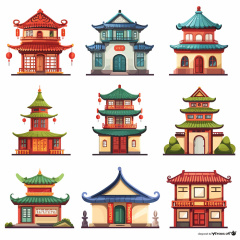
Collection of Nine Ancient Chinese Palace Icons
File Type:EPS
This collection of nine ancient Chinese palace icons offers a vivid and concise representation of the grandeur and elegance of Chinese imperial architecture. Each icon encapsulates the unique features of different palaces, from the imposing facades to the intricate decorative details, symbolizing the power, prosperity, and cultural heritage associated with the imperial era. These icons, designed with precision and care, serve as a visual bridge to China's rich historical past, making them ideal for a wide range of applications, including cultural projects, educational materials, digital interfaces, and artistic endeavors.
Icon Details
2.1 Imperial Palace Facade Icon
- Majestic Outline: This icon showcases the full frontal view of an imperial palace, featuring multiple tiers of grand halls with golden - tiled roofs and vermilion walls. The symmetry of the design reflects the strict hierarchical order of the imperial court, while the large scale conveys the might of the emperor.
- Gate and Entrance Details: The main entrance, often flanked by elaborate gates with decorative brackets and towering eaves, is prominently depicted. These gates not only served as physical entrances but also held symbolic significance, representing the passage between the mundane world and the imperial domain.
2.2 Palace Courtyard Icon
- Central Courtyard Layout: Depicting the heart of the palace, this icon shows a spacious, open - air courtyard surrounded by corridors, side halls, and main buildings. The courtyard, designed to provide ventilation, light, and a space for ceremonies, is a central element in palace architecture, symbolizing the balance between private and public spaces within the imperial complex.
- Decorative Elements: Subtle decorative elements such as stone lions, marble balustrades, and carefully - arranged flower beds are included in the icon. These elements not only added to the aesthetic appeal of the courtyard but also carried symbolic meanings, like the stone lions representing protection and authority.
2.3 Dragon - Embellished Roof Ridge Icon
- Dragon Sculpture Focus: A close - up of the roof ridge, where coiled dragon sculptures take center stage. Dragons, in Chinese culture, are symbols of imperial power, strength, and good fortune. The icon captures the detailed craftsmanship of these dragon sculptures, with their fierce expressions, sinuous bodies, and elaborate scales.
- Roof Tile Details: The surrounding roof tiles, often made of glazed materials in imperial palaces, are also shown in the icon. Their smooth texture and bright colors, typically gold or yellow, enhance the overall grandeur of the roof and the entire palace structure.
2.4 Palace Gate Tower Icon
- Tower Structure: This icon presents a multi - storey gate tower, a common feature in palace entrances. The tower's design includes sturdy pillars, multiple levels of eaves, and a commanding height, which not only served as a defensive structure but also as a visual statement of the palace's importance.
- Decorative Motifs: Elaborate decorative motifs, such as phoenixes, clouds, and geometric patterns, adorn the tower. These motifs are deeply rooted in Chinese cultural symbolism, with phoenixes representing grace and nobility, and clouds symbolizing good fortune and the celestial realm.
2.5 Inner Palace Hall Icon
- Hall Interior Elements: Focusing on the interior of an inner palace hall, this icon shows elements like a central throne, surrounded by ornate columns with carved wooden brackets. The throne, often made of precious materials and decorated with imperial symbols, is the focal point, representing the emperor's authority.
- Ceiling and Lighting Features: The ceiling, which may feature a decorative pattern or a dragon - themed ceiling painting, and the lighting fixtures, such as lanterns or candelabras, are also depicted. These elements contribute to the opulent and solemn atmosphere of the hall.
2.6 Palace Garden Pavilion Icon
- Pavilion Design: Depicting a pavilion in the palace garden, this icon showcases a charming, open - air structure with a curved roof and delicate wooden railings. Pavilions in palace gardens were places for relaxation, contemplation, and social gatherings, and their design often incorporated elements of natural beauty.
- Surrounding Landscape: The pavilion is set against a backdrop of carefully - manicured gardens, with elements like small ponds, flower beds, and ornamental trees. These natural elements were an integral part of palace gardens, creating a harmonious and serene environment.
2.7 Palace Wall and Moat Icon
- Wall and Moat Structure: This icon presents the imposing palace wall, which served as a physical and symbolic boundary of the imperial domain. The wall is shown with its thick, sturdy structure, often made of stone or brick, and a watchtower at intervals. The moat, a defensive water body surrounding the wall, is also prominently depicted.
- Bridge and Entrance Elements: A bridge spanning the moat, leading to a gate in the palace wall, is included in the icon. The bridge, often decorated with stone carvings, not only provided access to the palace but also added to the aesthetic beauty of the overall structure.
2.8 Palace Bell Tower Icon
- Tower Architecture: The bell tower icon features a tall, multi - storey structure with a distinctive shape. Bell towers in palaces were used to mark time, announce important events, and add to the grandeur of the palace complex. The tower's design includes large windows or openings for the bells to be heard clearly.
- Bell Details: A large bell, often decorated with inscriptions or symbolic patterns, is shown hanging inside the tower. The bell, made of bronze or other metals, was an important part of the palace's infrastructure and cultural heritage.
2.9 Palace Archway Icon
- Archway Design: This icon depicts an elaborate archway, a common decorative and commemorative structure in palaces. The archway features multiple layers of roofs, decorative brackets, and intricate stone carvings. Archways in palaces were often used to mark important entrances or to commemorate significant events or people.
- Symbolic Carvings: The carvings on the archway may include symbols of imperial power, such as dragons, phoenixes, and imperial seals, as well as scenes from mythology or historical events. These carvings were not only aesthetically pleasing but also carried deep cultural and historical meanings.
Design Features
- Authentic Representation: Each icon is designed to accurately represent the key features of ancient Chinese palace architecture, drawing inspiration from historical records, existing palaces, and traditional architectural knowledge.
- Simplified Aesthetic: Despite the detailed subject matter, the icons maintain a simplified aesthetic, using clean lines and minimal shading to ensure clarity and versatility in various applications.
- Cultural Symbolism: The icons are rich in cultural symbolism, with each element carefully chosen to convey the deep - seated cultural values and historical significance associated with Chinese palaces.
Application Scenarios
- Cultural and Educational Projects: Ideal for textbooks, educational websites, and museum exhibits on Chinese history and architecture. These icons can effectively illustrate key concepts, helping learners visualize the structure and significance of ancient palaces.
- Digital Interfaces: Perfect for apps, websites, or software related to historical tourism, cultural heritage, or historical simulation games. The icons can enhance the user experience by adding an authentic and visually appealing touch.
- Art and Design Projects: Suitable for graphic designers, illustrators, and artists working on projects with a historical or cultural theme. The icons can be used as inspiration, reference, or as elements in larger artworks.
- Event Branding: Useful for cultural festivals, historical reenactments, or academic conferences focused on ancient Chinese culture. The icons can be incorporated into logos, posters, and other promotional materials to create a cohesive and culturally - relevant brand image.


