

1/1
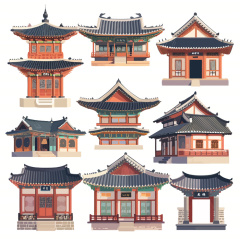
Collection of 9 Chinese Ancient Residence Architecture Icons
File Type:EPS
This collection consists of 9 meticulously designed icons that vividly represent various aspects of Chinese ancient residence architecture. From the grand entrance gates to the elegant attics and traditional dwellings, each icon encapsulates the unique charm and cultural essence of Chinese ancient residences. With a blend of detailed craftsmanship and a touch of artistic interpretation, these icons are perfect for those with a passion for Chinese traditional culture, educators aiming to teach ancient architecture in an engaging manner, and designers seeking fresh and cultural - rich inspiration. Whether used in cultural projects, educational materials, or creative design works, this collection offers a wonderful window into the world of Chinese ancient residence architecture.
Icon Details
2.1 Wutou Gate Icon
- Icon Features: The Wutou Gate icon showcases a classic Chinese ancient gate style. It is composed of two upright wooden columns painted in a dark, solemn color at the top, which is the characteristic "black head" that gives it the name "Wutou Gate". A horizontal wooden beam connects the two columns at the top. The columns are stout and sturdy, with simple yet elegant carvings near the base. The overall structure is simple but exudes a sense of stability and formality.
- Cultural Significance: In ancient China, the Wutou Gate was a symbol of status and was commonly used in private mansions, temples, and other important establishments. It originated from as early as the Eastern Wei period and was regulated by different dynasties in terms of who could use it. For example, in the Tang Dynasty, it was specified that officials above a certain rank could use the Wutou Gate for their residences. This icon represents the hierarchical and cultural traditions associated with Chinese ancient architecture, where the design of a gate could reflect the social standing of the owner.
2.2 Two - storeyed Attic in Residence Icon
- Icon Features: This icon depicts a charming two - storeyed attic within a residence. The lower storey has an open - air corridor supported by several wooden columns. The columns are painted in a warm, earthy color, and the floor of the corridor is made of wooden planks. The upper storey has lattice - work windows, with each lattice intricately designed in a geometric pattern. The windows are slightly open, as if inviting the gentle breeze. The roof of the attic is a double - eaved design, with the eaves curving upwards gracefully. Small, decorative tiles are placed along the edges of the eaves, adding a touch of elegance.
- Cultural Significance: Attics in Chinese ancient residences were not only used for storage but also as places for family members to relax, enjoy the view, or engage in cultural activities such as reading and writing poetry. The lattice - work windows not only provided ventilation and a view but also symbolized the Chinese concept of "framing" the beauty of the surrounding environment. The upward - curving eaves were not only aesthetically pleasing but also had practical functions, like protecting the structure from rain. This icon represents the harmonious combination of functionality and aesthetics in Chinese ancient residential architecture.
2.3 Courtyard House Icon
- Icon Features: The Courtyard House icon shows a traditional Chinese courtyard house. The house is surrounded by a high wall, with a main entrance gate in the front. The gate has a pair of large, wooden doors painted in red, a color symbolizing good luck and prosperity in Chinese culture. The doors are decorated with brass knockers in the shape of animal heads. Inside the courtyard, there are several main buildings arranged in a rectangular pattern. The buildings have sloping roofs made of gray tiles. The windows of the main buildings are large and rectangular, with wooden shutters. There are also some small pavilions and rockeries in the courtyard, creating a peaceful and idyllic atmosphere.
- Cultural Significance: Courtyard houses were the most common form of residence in ancient China. The courtyard was the center of family life, where family members would gather, socialize, and carry out various daily activities. The layout of the courtyard house followed strict cultural and feng shui principles, emphasizing symmetry, balance, and the harmonious relationship between humans and nature. The red - painted doors and brass knockers were also symbols of good fortune and protection. This icon represents the traditional Chinese family - centered lifestyle and the importance of creating a harmonious living environment.
2.4 Mansion with Garden Icon
- Icon Features: This icon represents a grand mansion with a beautiful garden. The mansion has a large, multi - storeyed main building with a complex roof structure. The main building has ornate wooden carvings on the eaves, columns, and window frames. The carvings depict various scenes of nature, such as flowers, birds, and mountains. The garden is filled with lush plants, including trees, flowers, and bamboo. There is a small pond in the garden, with lotus flowers floating on the surface and fish swimming beneath. A meandering path made of stone slabs winds through the garden, connecting different parts of the mansion and the garden.
- Cultural Significance: Mansions with gardens were often the residences of the wealthy and the literati in ancient China. The garden was not just a decorative element but also a place for spiritual cultivation, relaxation, and entertaining guests. The elaborate carvings on the mansion's architecture represented the high - level craftsmanship and the aesthetic taste of the owners. The natural elements in the garden, such as the pond, lotus flowers, and plants, symbolized the pursuit of harmony with nature and the ideals of a peaceful and elegant life. This icon reflects the cultural and aesthetic pursuits of the upper - class in Chinese ancient society.
2.5 Vernacular Residence in Mountainous Area Icon
- Icon Features: The Vernacular Residence in Mountainous Area icon shows a simple but unique residence built in a mountainous area. The house is made mainly of wood and stone. The stone - built foundation provides stability on the sloping terrain. The wooden walls are painted in a light color, which blends well with the natural environment. The roof is steeply sloped to prevent snow and rain from accumulating. There are several small windows on the walls, which are designed to let in light while also providing a view of the surrounding mountains. In front of the house, there is a small courtyard surrounded by a low stone wall. Some firewood is stacked neatly in one corner of the courtyard.
- Cultural Significance: Vernacular residences in mountainous areas were designed to adapt to the local geographical and climatic conditions. The use of local materials like wood and stone not only made construction easier but also reflected the close relationship between the residents and the natural environment. These houses were the homes of ordinary people in the mountains, and their simple yet practical design represented the wisdom and resilience of the local people. This icon represents the unique architecture and lifestyle of the mountain - dwelling communities in Chinese ancient times.
2.6 Residence with Veranda Icon
- Icon Features: This icon features a residence with a veranda. The main building of the residence is a single - storey structure with a large veranda running along one side. The veranda is supported by wooden columns painted in a light, creamy color. The floor of the veranda is made of wooden planks, and there is a railing along the edge of the veranda. The railing is decorated with simple, geometric - shaped carvings. The main building has several windows, with wooden shutters that can be opened and closed. The roof of the residence is a sloping, single - eaved design, painted in a dark, earthy color that complements the rest of the structure.
- Cultural Significance: Residences with verandas were common in many regions of ancient China. The veranda provided an additional space for residents to enjoy the outdoors, dry crops, or socialize with neighbors. It was also a place where people could take a break from their daily work and enjoy the view of the surrounding area. The design of the veranda and the main building reflected the practical needs and the aesthetic preferences of the local people. This icon represents the importance of creating functional and comfortable living spaces in Chinese ancient residential architecture.
2.7 Traditional Residence in Water - town Icon
- Icon Features: The Traditional Residence in Water - town icon depicts a residence located in a typical Chinese water - town. The house is built along a canal, with a small dock in front. The building is made of brick and wood, with a sloping roof covered in gray tiles. The facade of the house has several windows, some of which overlook the canal. The windows have wooden frames with intricate carvings. There is a small bridge connecting the house to the other side of the canal. The bridge is made of stone and has a simple, elegant design. The walls of the house are painted in a light color, which makes the house stand out against the backdrop of the water and the greenery.
- Cultural Significance: Residences in water - towns were an important part of Chinese ancient urban life. The water - town environment influenced the architecture and lifestyle of the residents. The proximity to the canal provided convenient transportation for goods and people. The design of the houses, with their windows overlooking the water and the small bridges connecting different parts of the town, created a unique and charming living environment. This icon represents the special relationship between architecture and the water - based environment in Chinese ancient water - towns.
2.8 Entrance Gate with Ornate Carvings Icon
- Icon Features: This icon showcases an entrance gate with extremely ornate carvings. The gate is made of wood, and the two large doors are covered with elaborate carvings of dragons, phoenixes, flowers, and other auspicious symbols. The carvings are in high relief, giving them a three - dimensional and vivid appearance. The frame of the gate also has detailed carvings, with patterns of clouds and geometric shapes. The top of the gate has a small, decorative roof - like structure, with upturned eaves and small, colorful tiles. On both sides of the gate, there are two stone lions, which are also intricately carved.
- Cultural Significance: Entrance gates with ornate carvings were often found in the residences of the wealthy and the noble in ancient China. The carvings of dragons and phoenixes symbolized power, nobility, and good fortune. The various auspicious symbols and patterns were meant to bring luck and protection to the household. The stone lions on both sides of the gate were also symbols of protection and strength. This icon represents the high - level craftsmanship and the cultural and social status associated with the owners of such gates in Chinese ancient society.
2.9 Pavilion - style Residence Icon
- Icon Features: The Pavilion - style Residence icon shows a unique residence in the form of a pavilion. The residence has a circular or octagonal shape, with a single - eaved, conical roof. The roof is covered with small, colorful tiles. The columns supporting the roof are painted in a bright, eye - catching color. The walls of the residence, if any, are made of wooden lattice - work, allowing for good ventilation and a view of the surrounding area. Inside the residence, there is a simple layout, with a small table and some stools. There are also some potted plants placed around the residence, adding a touch of greenery.
- Cultural Significance: Pavilion - style residences were often built in gardens or scenic areas as a place for relaxation and enjoying the scenery. They were inspired by the concept of pavilions in Chinese traditional gardens, which were considered as a place for spiritual communication with nature. The circular or octagonal shape was considered auspicious in Chinese culture, representing unity and harmony. This icon represents the pursuit of a simple, elegant, and nature - friendly living environment in Chinese ancient times.
-
Design Features
- Cultural Symbolism: Each icon is replete with Chinese cultural symbols. From the dragon and phoenix carvings symbolizing power and nobility to the use of colors like red for good luck and prosperity, every element is carefully selected to convey deep - rooted cultural meanings. The symbols of nature, such as lotus flowers, mountains, and trees, also play a crucial role in representing the harmonious relationship between humans and the environment.
- Attention to Architectural Details: Despite the intention to present a simplified and iconic form, the icons pay close attention to the architectural details of Chinese ancient residences. The different types of gates, roofs, columns, windows, and decorative elements are accurately depicted, allowing viewers to learn about the unique features of Chinese traditional residential architecture while enjoying the visually appealing and simplified representation.
- Artistic Interpretation: The collection also incorporates an artistic interpretation, which makes the icons not only educational but also aesthetically pleasing. The use of colors, shapes, and the overall composition of each icon is designed to capture the essence and charm of Chinese ancient residences in a way that is engaging and accessible to a wide range of audiences.
Application Scenarios- Educational Materials: These icons are highly suitable for use in educational materials, such as textbooks, e - learning courses, and educational apps. Teachers can utilize them to teach students about Chinese ancient residential architecture in a more engaging and accessible way. The vivid and colorful designs can easily capture students' attention and help them better understand the different types of residences and their cultural significance.
- Cultural and Artistic Projects: In cultural and artistic projects, such as museum exhibitions, cultural festivals, or art installations, these icons can be used to promote Chinese traditional culture. They can be printed on posters, brochures, or used as part of digital displays to attract the attention of the public and convey the beauty and richness of Chinese ancient residential architecture.
- Design and Creative Work: Designers in various fields, such as graphic design, interior design, and game design, can draw inspiration from these icons. The unique architectural styles and cultural elements can be incorporated into modern designs to add a touch of cultural identity. For example, the patterns and colors from the icons can be used in the design of Chinese - themed rooms, or the shapes of the residences can be adapted for character or level design in games.


