

1/1
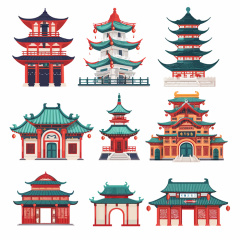
Collection of 9 Ancient Chinese Pavilion Icons
File Type:EPS
This collection of nine ancient Chinese pavilion icons offers a vivid and concise representation of the elegance and cultural richness of Chinese classical architecture. Each icon encapsulates the unique features of different pavilions, from their distinct structural forms to the intricate decorative elements. These pavilions, an integral part of China's historical and cultural landscape, were often built in gardens, palaces, or scenic spots, serving as places for relaxation, contemplation, and social gatherings. The icons, designed with meticulous attention to detail, serve as a visual gateway to China's past, making them ideal for a wide range of applications, including cultural projects, educational materials, digital interfaces, and artistic endeavors.
Icon Details
2.1 Classic Pavilion with Upturned Eaves Icon
- Graceful Outline: This icon showcases a typical Chinese pavilion with a multi - tiered roof and upturned eaves. The upturned eaves, a characteristic feature of Chinese architecture, not only add an elegant touch but also serve practical purposes such as better rain drainage and increased interior lighting. The smooth curves of the eaves are reminiscent of a bird in flight, symbolizing freedom and grace.
- Column and Structure Details: The pavilion is supported by sturdy wooden columns, which are often decorated with simple yet elegant carvings. The structure of the pavilion, with its well - proportioned layout, reflects the harmonious relationship between different elements in Chinese architecture. The open - air design of the pavilion allows for a seamless connection with the surrounding environment.
2.2 Pavilion in a Garden Setting Icon
- Garden Integration: Depicting a pavilion nestled in a meticulously manicured garden, this icon captures the essence of the symbiotic relationship between architecture and nature in Chinese culture. The pavilion is surrounded by elements such as flower beds, ornamental trees, and small ponds, creating a serene and harmonious environment.
- Viewing Platform Feature: The pavilion often serves as a viewing platform, from which one can enjoy the beauty of the garden. The icon may include details such as railings or benches, inviting viewers to imagine themselves sitting in the pavilion, taking in the scenery. The garden setting also includes elements like stone paths and bridges, adding to the overall charm of the scene.
2.3 Tower - Style Pavilion Icon
- Tall and Imposing Structure: This icon presents a tower - style pavilion, which is typically taller and more imposing than regular pavilions. The multi - storey structure offers panoramic views of the surrounding area. Each storey may have its own set of windows or balconies, allowing for different perspectives.
- Decorative Roof Elements: The roof of the tower - style pavilion is often adorned with elaborate decorative elements, such as finials or mythical creature sculptures. These elements not only enhance the aesthetic appeal of the pavilion but also carry symbolic meanings. For example, dragon - shaped finials may symbolize power and good fortune.
2.4 Water - Side Pavilion Icon
- Proximity to Water: Depicting a pavilion built beside a body of water, such as a lake or a river, this icon highlights the unique charm of water - side pavilions. The reflection of the pavilion in the water creates a beautiful and serene scene. The pavilion may be connected to the shore by a bridge or a walkway.
- Unique Design for Waterfront: The design of the water - side pavilion often takes into account its proximity to water. It may have a more open - air layout to allow for better ventilation and views of the water. The columns and base of the pavilion may also be designed to withstand the moisture from the water.
2.5 Pavilion with Intricate Carvings Icon
- Elaborate Carving Details: Focusing on the decorative carvings of a pavilion, this icon showcases the 精湛 craftsmanship of Chinese artisans. The carvings may include motifs such as dragons, phoenixes, flowers, and birds, each with its own symbolic meaning. For example, dragons represent power and strength, while phoenixes symbolize beauty and prosperity.
- Cultural Symbolism in Carvings: The carvings on the pavilion are not only aesthetically pleasing but also a form of cultural expression. They often tell stories from Chinese mythology, history, or literature. The use of different materials, such as wood, stone, or jade, for the carvings adds to their texture and visual appeal.
2.6 Two - Storey Pavilion with Balcony Icon
- Two - Storey Structure: This icon features a two - storey pavilion with a balcony on the upper level. The balcony provides an additional space for people to enjoy the view and interact with the surroundings. The design of the balcony may include decorative railings and balustrades.
- Interior and Exterior Connectivity: The two - storey pavilion allows for different levels of privacy and interaction. The lower level may be more open and used for social gatherings, while the upper level with the balcony can be a more private space for relaxation or contemplation. The staircase connecting the two levels is also an important part of the design.
2.7 Pavilion in a Mountainous Landscape Icon
- Mountainous Setting: Depicting a pavilion located in a mountainous landscape, this icon captures the harmonious coexistence of architecture and nature in a different context. The pavilion is often built at a vantage point, offering breathtaking views of the mountains, forests, and valleys.
- Integration with the Terrain: The design of the pavilion takes into account the natural terrain. It may be built on a slope or at the top of a hill, and its structure may be adjusted to fit the uneven ground. The use of local materials, such as stone and wood, further enhances the pavilion's integration with the mountainous environment.
2.8 Pavilion with a Circular Roof Icon
- Unique Circular Roof Design: This icon showcases a pavilion with a circular roof, which is a less common but distinctive form in Chinese architecture. The circular roof gives the pavilion a sense of unity and completeness. It may be supported by a ring of columns or a central pillar.
- Symbolic Significance of the Circle: In Chinese culture, the circle represents harmony, unity, and eternity. The circular roof of the pavilion thus carries these symbolic meanings. The interior of the pavilion with a circular layout may also be designed to enhance the sense of unity and connection among people using the space.
2.9 Pavilion with a Pagoda - Like Shape Icon
- Pagoda - Inspired Design: Depicting a pavilion with a pagoda - like shape, this icon combines the features of a pavilion and a pagoda. The multi - tiered structure and the pointed top are reminiscent of a pagoda, while the open - air design and the use as a gathering place are typical of a pavilion.
- Cultural Fusion in Design: The pagoda - like pavilion represents a unique cultural fusion. It may incorporate elements from both Buddhist architecture (associated with pagodas) and traditional garden architecture (associated with pavilions). The design may also include decorative elements such as bells or wind chimes, adding to its charm.
Design Features
- Authentic Representation: Each icon is designed to accurately represent the key features of ancient Chinese pavilion architecture, drawing inspiration from historical records, existing pavilions, and traditional architectural knowledge.
- Simplified Aesthetic: Despite the detailed subject matter, the icons maintain a simplified aesthetic, using clean lines and minimal shading to ensure clarity and versatility in various applications.
- Cultural Symbolism: The icons are rich in cultural symbolism, with each element carefully chosen to convey the deep - seated cultural values and historical significance associated with Chinese pavilions.
Application Scenarios
- Cultural and Educational Projects: Ideal for textbooks, educational websites, and museum exhibits on Chinese history and architecture. These icons can effectively illustrate key concepts, helping learners visualize the structure and significance of ancient pavilions.
- Digital Interfaces: Perfect for apps, websites, or software related to historical tourism, cultural heritage, or simulation games. The icons can enhance the user experience by adding an authentic and visually appealing touch.
- Art and Design Projects: Suitable for graphic designers, illustrators, and artists working on projects with a historical or cultural theme. The icons can be used as inspiration, reference, or as elements in larger artworks.
- Event Branding: Useful for cultural festivals, historical reenactments, or academic conferences focused on ancient Chinese culture. The icons can be incorporated into logos, posters, and other promotional materials to create a cohesive and culturally - relevant brand image.


