
1/1
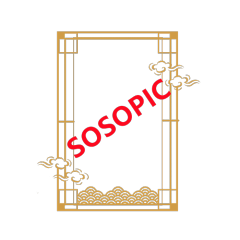
Chinese Traditional Window Pattern Border Design with Traditional Patterns and Auspicious Cloud Elements
File Type:PNG
This Chinese traditional window pattern border design is a captivating blend of historical charm and cultural symbolism. Inspired by the intricate latticework of ancient Chinese windows, the border serves as a frame that not only enhances the visual appeal of any project but also tells a story of China's rich architectural heritage. Complemented by traditional patterns and auspicious cloud elements, it combines the elegance of classic designs with the profound meanings associated with traditional Chinese motifs. The result is a border template that exudes timeless beauty and cultural depth, making it an ideal choice for artworks, product packaging, and digital designs seeking to embrace the essence of Chinese tradition.
Design Features
2.1 Window Pattern Border Structure
- Authentic Lattice Design: The border replicates the detailed lattice patterns commonly found in traditional Chinese windows. These patterns can range from simple geometric shapes like squares, diamonds, and circles interconnected in various ways to more elaborate designs featuring floral motifs, wave patterns, or fretwork. Each lattice is carefully crafted to mimic the precision and artistry of ancient window craftsmanship, creating a sense of authenticity and historical connection.
- Frame Thickness and Texture: The thickness of the border frame can be adjusted to suit different design requirements. A thicker frame gives a more robust and prominent look, reminiscent of sturdy wooden window frames, while a thinner frame offers a more delicate and refined appearance. The texture of the border may imitate the grain of aged wood, the smoothness of carved stone, or the intricate patterns of embossed metal, adding depth and a tactile quality to the overall design.
- Symmetrical and Balanced Layout: Just like traditional Chinese windows, the border design adheres to principles of symmetry and balance. The lattice patterns are evenly distributed around the frame, creating a harmonious visual effect. This symmetry not only reflects the aesthetic preferences of traditional Chinese design but also provides a stable and pleasing structure for the decorative elements that will be added.
2.2 Traditional Patterns
- Diverse Motif Selection: A variety of traditional Chinese patterns are incorporated into the border design. These include classic floral patterns such as peonies, symbolizing prosperity and wealth; plum blossoms, representing resilience and purity; and lotus flowers, signifying enlightenment and spiritual growth. Additionally, patterns like the continuous knot, which represents endlessness and unity, and the wave pattern, symbolizing the flow of life and the power of nature, can be included.
- Intricate Detailing: Each traditional pattern is rendered with meticulous attention to detail. Fine lines, delicate curves, and precise shading techniques are used to bring out the beauty and complexity of the motifs. The patterns may be intertwined with the lattice of the border or placed within specific sections, creating a rich tapestry of design elements that complement each other.
- Colorful or Monochromatic Rendering: Depending on the desired aesthetic, the traditional patterns can be presented in a colorful palette, using hues commonly found in traditional Chinese art such as red, gold, green, and blue, to add vibrancy and visual interest. Alternatively, a monochromatic approach, such as using black or dark gray on a light background, can be taken to emphasize the elegance and simplicity of the patterns while maintaining a classic look.
2.3 Auspicious Cloud Elements
- Graceful Cloud Forms: The auspicious clouds are depicted with soft, flowing lines that capture the natural and ethereal movement of clouds in the sky. Their shapes vary from wispy, elongated streaks to large, billowy masses, creating a sense of lightness and fluidity within the structured border.
- Symbolic Color Representation: In line with traditional Chinese symbolism, the auspicious clouds can be rendered in colors that carry positive connotations. White clouds may symbolize purity and spirituality, while golden - tinged clouds can represent good fortune and prosperity. Subtle color gradients and shading are applied to give the clouds a three - dimensional appearance, making them seem as if they are gently floating around the border.
- Strategic Placement: The auspicious cloud elements are strategically placed around the border, either interspersed among the traditional patterns and lattice or positioned at key points to create focal areas. Their placement adds a dynamic element to the otherwise static border design, guiding the viewer's eye and enhancing the overall composition.
2.4 Color Scheme
- Traditional Color Palette: The color scheme of the border is inspired by traditional Chinese colors. Earthy tones like beige, brown, and light gray can be used as the base to mimic the natural materials of ancient windows, providing a warm and understated backdrop. Bold and vibrant colors such as red, gold, and green are then used for the traditional patterns and auspicious cloud elements to create contrast and draw attention to the decorative details.
- Color Coordination: The colors are carefully coordinated to ensure a harmonious and balanced look. Complementary colors are used to enhance the visual impact, while analogous colors are employed to create a sense of unity. For example, red patterns may be paired with green accents, or golden clouds may be set against a beige background, resulting in a color scheme that is both visually appealing and culturally resonant.
2.5 Composition and Layout
- Integrated Design Elements: The window pattern border, traditional patterns, and auspicious cloud elements are seamlessly integrated to form a cohesive design. The lattice of the border provides a framework that supports and showcases the other decorative elements, while the patterns and clouds add depth, meaning, and visual interest.
- Visual Hierarchy: A clear visual hierarchy is established within the border design. The more prominent elements, such as larger traditional patterns or clusters of auspicious clouds, are placed in key positions to draw the viewer's attention first. Smaller details and secondary elements are then arranged to complement and enhance the main focal points, creating a design that is both engaging and easy to appreciate.
Application Scenarios
3.1 Cultural and Artistic Projects
- Calligraphy and Painting: As a frame for traditional Chinese calligraphy works or ink paintings, this border design significantly enhances the cultural and artistic value. The traditional window pattern and accompanying motifs complement the themes and styles of the art pieces, creating a cohesive and immersive viewing experience that highlights the connection between the art and Chinese cultural heritage.
- Art Exhibitions: Ideal for art exhibitions related to Chinese history, culture, or traditional art forms. The border can be used to frame artworks, create exhibition backdrops, or design promotional materials. Its unique and authentic design adds an eye - catching and culturally significant element to the exhibition setup, attracting visitors and enhancing their overall experience.
- Traditional Craftsmanship Displays: When showcasing traditional Chinese crafts such as paper - cuttings, embroidery, or wood carvings, this border template provides a beautiful and meaningful frame. It highlights the craftsmanship while adding a touch of historical context and cultural elegance, making the displayed items more appealing to a wider audience.
3.2 Product Packaging
- Chinese Tea and Cultural Souvenirs: Perfect for packaging high - end Chinese tea, traditional handicrafts, or cultural souvenirs. The design conveys a strong sense of tradition, quality, and cultural identity, appealing to consumers who value cultural heritage and artisanal products. The unique border design makes the packaged items more attractive as gifts, symbolizing the rich traditions of China.
- Traditional Chinese Medicine and Health Products: Suitable for packaging traditional Chinese medicine, herbal products, or health supplements. The border's traditional design elements communicate the authenticity and long - standing practices associated with traditional Chinese health and wellness, building trust with consumers and differentiating the products in the market.
3.3 Digital Media and Branding
- Website and App Design: As a decorative element for websites or apps related to Chinese culture, tourism, traditional art, or heritage preservation, the border can be used as a header, footer, or frame for content. It helps to create a cohesive and visually appealing user experience that reflects the brand's cultural identity, making the platform more memorable and engaging for users interested in Chinese culture.
- Social Media Graphics: Ideal for creating eye - catching graphics for social media posts about Chinese festivals, historical sites, cultural events, or traditional art forms. The unique design of the border with traditional window patterns, patterns, and auspicious cloud elements stands out in the digital space, effectively capturing the audience's attention and conveying the cultural message in an aesthetically pleasing manner, increasing the reach and impact of the social media content.


