
1/1
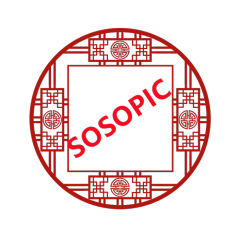
Chinese Traditional Flower Window Element Border Design
File Type:PNG
This Chinese traditional flower window element border design skillfully integrates the exquisite charm of classic flower windows into the border structure, presenting a unique blend of cultural heritage and artistic aesthetics. In Chinese architecture, flower windows, also known as lattice windows, are not only functional but also carry profound cultural meanings. They symbolize the harmonious coexistence of nature and humanity, with their intricate patterns often reflecting traditional values, auspicious wishes, and the pursuit of beauty. By incorporating flower window elements into the border, this design creates a visually captivating and culturally rich pattern, ideal for infusing various projects with the essence of traditional Chinese art and the elegance of ancient craftsmanship.
Design Features
2.1 Flower Window - Inspired Border Structure
- Frame Design: The border is modeled after the classic frame of traditional Chinese flower windows. It can adopt rectangular, square, or circular shapes, each with its own symbolic meaning. For example, the rectangle represents stability and order, the square symbolizes the earth, and the circle embodies unity and completeness. The edges of the border can be designed with simple, clean lines for a minimalist look or with more elaborate carvings and moldings to mimic the ornate frames of ancient flower windows, adding a touch of luxury and historical charm.
- Openwork Structure: Similar to real flower windows, the border features an openwork structure. This allows light and visual elements to pass through, creating a sense of transparency and depth. The openwork part can be filled with various traditional patterns, making the border not only a decorative element but also a carrier of cultural symbols.
2.2 Intricate Pattern Design
- Traditional Motifs: The patterns within the border draw inspiration from a wide range of traditional Chinese motifs. These include floral patterns such as peonies, which symbolize prosperity and nobility; plum blossoms, representing perseverance and purity; and lotus flowers, signifying purity and enlightenment. Additionally, geometric patterns like the “万字纹” (swastika - like pattern, symbolizing eternity and good luck), “回字纹” (loop - like pattern, representing infinity), and “冰裂纹” (cracked - ice pattern, symbolizing the beauty of imperfection) are commonly used. These patterns are intricately arranged to form a harmonious and visually appealing composition.
- Symbolic Combinations: The patterns are often combined in a meaningful way. For example, the combination of bats and peaches may represent blessings and longevity, as “bat” in Chinese (“蝠”) sounds similar to “blessing” (“福”), and peaches are associated with longevity. Such symbolic combinations enrich the cultural connotations of the border, making it a silent storyteller of Chinese traditions.
2.3 Color Scheme
- Traditional Colors: The color scheme of the border is based on traditional Chinese colors. Earthy tones like brown and beige can be used to mimic the color of ancient wood, giving the border a sense of history and authenticity. Red, a traditional auspicious color in China, can be applied to highlight important parts of the pattern, symbolizing joy, celebration, and good fortune. Gold accents can also be added to enhance the luxury and nobility of the design, representing wealth and prosperity.
- Modern Adaptations: For a more contemporary look, the color scheme can be adapted. Soft pastels can be used to create a more delicate and elegant atmosphere, while bold and bright colors can be chosen to make the border stand out in modern design projects. However, no matter how the colors are adjusted, the cultural essence of the flower window elements is always maintained.
2.4 Composition and Layout
- Balance and Harmony: The composition of the border focuses on balance and harmony. The patterns are evenly distributed within the frame, creating a sense of stability. Symmetrical designs can be used for a more formal and traditional look, while asymmetrical arrangements can add a touch of dynamism and creativity. The relationship between the positive and negative spaces in the openwork structure is carefully considered to ensure that the overall layout is visually appealing and does not feel overcrowded.
- Visual Hierarchy: A clear visual hierarchy is established in the design. The frame of the border serves as the primary visual anchor, defining the boundaries of the design. The more detailed and eye - catching patterns within the border then draw the viewer's attention, guiding them to explore the cultural symbols and artistic details. The use of different sizes, colors, and textures of the patterns also helps to create a sense of depth and visual interest.
Application Scenarios
3.1 Digital Media
- Cultural - Themed Websites and Blogs: Ideal for websites and blogs dedicated to Chinese culture, history, art, or architecture. The border can be used as a frame for page headers, footers, or content sections, instantly imbuing the online platform with a rich cultural atmosphere. It can also be incorporated into interactive elements such as buttons, sliders, or pop - up windows, enhancing the overall user experience and making the website more visually engaging.
- Digital Art and Social Media Graphics: Well - suited as a border for digital artworks, illustrations, and social media graphics. Whether creating a digital poster for a Chinese cultural event, a social media post celebrating traditional art forms, or a graphic for a cultural heritage project, the flower window element border can add a sense of beauty, cultural depth, and visual appeal. The unique and intricate design will stand out on digital platforms, attracting attention and effectively conveying the cultural message.
3.2 Product Packaging
- Chinese - Themed Products: Excellent for packaging products with a Chinese theme, such as traditional handicrafts, Chinese teas, porcelain, or Chinese - inspired cosmetics. The cultural elements in the border enhance the perceived value of the products, appealing to consumers who appreciate the beauty and cultural significance of Chinese traditions. The template can be customized to fit various packaging sizes and shapes, ensuring a consistent and attractive brand image.
- Gifts and Souvenirs: Ideal for packaging Chinese - themed gifts and souvenirs, such as calligraphy sets, Chinese - style jewelry, or decorative items. The border with its flower window elements adds a touch of elegance, cultural charm, and uniqueness to the packaging, making the gifts more special, memorable, and cherished by the recipients.
3.3 Print Media
- Magazine Layouts: Can be used as a border for magazine layouts in cultural, travel, fashion, or lifestyle magazines. When featuring articles about Chinese culture, traditions, art, or architecture, the flower window element border adds a visually appealing and relevant frame that enhances the overall aesthetic of the magazine pages. It can also be used to separate different sections of the magazine, providing a cohesive and thematic design throughout the publication.
- Posters and Flyers: Perfect for creating posters and flyers for Chinese cultural events, performances, exhibitions, or festivals. The unique and eye - catching border effectively grabs attention and conveys the theme and cultural significance of the event. Whether promoting a Chinese art exhibition, a traditional music concert, or a Chinese New Year celebration, this template ensures that the posters and flyers stand out in crowded public spaces and attract the target audience.


