
1/1
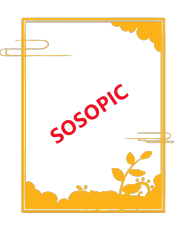
Chinese Traditional Cultural Element Border Design Template with Auspicious Clouds and Flower Elements Embellishment
File Type:PNG
This Chinese traditional cultural element border design template seamlessly integrates the timeless charm of auspicious clouds and the vibrant allure of flower elements, creating a visually captivating and culturally rich pattern. Rooted in profound Chinese traditions, the border design serves as a canvas that combines the symbolic meanings of different elements. Auspicious clouds, revered as messengers of good fortune and divine blessings, have long been a staple in Chinese art and culture. Flowers, each with its unique symbolic significance—such as peonies representing prosperity, plum blossoms embodying resilience, and lotus flowers symbolizing purity—add layers of cultural depth. Blending these elements within a border template, it offers a versatile design solution that can infuse various projects with the essence of Chinese heritage, elegance, and festivity.
Design Features
2.1 Border Structure
- Classic Frame Shapes: The border template offers multiple classic shapes to choose from, including rectangles, squares, and circles, each carrying distinct cultural connotations. Rectangular and square borders evoke a sense of stability and order, reminiscent of traditional Chinese architecture and the layout of ancient courtyards. Circular borders, on the other hand, symbolize unity, completeness, and the eternal cycle of life, reflecting the ancient Chinese concept of “heaven is round” (天圆). The edges of the border can be designed with clean, simple lines for a minimalist look or adorned with intricate carvings, such as beveled edges, wave patterns, or traditional geometric motifs, to enhance its traditional aesthetic.
- Texture and Material Representation: To enhance the authenticity of the traditional style, the border can incorporate textures that mimic classic Chinese materials. A weathered wood - grain texture can evoke the charm of ancient wooden doors and windows, while a glossy, lacquered finish can give it a refined and luxurious appearance, similar to traditional Chinese furniture. Additionally, subtle embossments of auspicious patterns, like the “swastika - like” (卍) pattern symbolizing eternity or the “knot” pattern representing unity, can be added along the border to further enrich its cultural and visual appeal.
2.2 Auspicious Clouds Elements
- Graceful Cloud Forms: The auspicious clouds are depicted with flowing, ethereal shapes, inspired by classic Chinese ink - wash paintings and imperial decorations. Soft, curvilinear lines create a sense of movement, as if the clouds are gently drifting in the sky. They come in various forms, from billowing masses to wispy, elongated strands, adding a dynamic and dreamy quality to the design. Some clouds may feature intricate details, such as the “continuous cloud” (连云纹) or “floating cloud bands” (流云纹) motifs, while others maintain a more simplified, minimalist look.
- Color and Symbolism: Typically rendered in shades of white, gray, and soft blue, the auspicious clouds can be accented with touches of gold or silver to symbolize their divine nature and connection to the heavens. Hidden within the cloud patterns are often traditional Chinese symbolic motifs. For example, the “ruyi” scepter shape, representing the fulfillment of wishes, may be subtly incorporated into the cloud contours. Characters symbolizing good fortune, such as “福” (fortune) or “寿” (longevity), can also be delicately woven among the cloud folds, adding deeper cultural meaning to the design.
2.3 Flower Elements
- Diverse Floral Depictions: The flower elements in the design feature a rich variety of traditional Chinese flowers, each illustrated with meticulous attention to detail. Peonies, known as the “king of flowers,” are depicted with lush, full petals in vibrant shades of red, pink, and purple, symbolizing prosperity and nobility. Plum blossoms, with their delicate branches and small, five - petal flowers in white or pink, represent perseverance and resilience, especially during the cold winter months. Lotus flowers, with their pure white or soft pink petals and central seed pods, signify purity and enlightenment. Other flowers like chrysanthemums, symbolizing longevity and nobility, may also be included, each contributing to the overall cultural richness of the design.
- Artistic Arrangement: The flowers are arranged in an artistic manner, either in clusters, single blooms, or in combination with other elements. They can be intertwined with the auspicious clouds, creating a harmonious blend of nature and divinity. Some flowers may be shown in full bloom, while others in bud form, adding a sense of growth and vitality. The use of different flower sizes and orientations also creates a dynamic and visually appealing composition.
2.4 Composition and Layout
- Harmonious Integration: The border, auspicious clouds, and flower elements are seamlessly combined to form a balanced and visually stunning composition. The border provides a stable framework that defines the boundaries of the design. The flowing auspicious clouds add a sense of movement and a connection to the celestial realm, while the vibrant flower elements bring in the beauty and vitality of nature. The elements are arranged in a way that creates a harmonious flow, with the clouds and flowers interacting with each other and the border, resulting in a cohesive and aesthetically pleasing design.
- Visual Hierarchy: A clear visual hierarchy is established within the design. The border serves as the primary visual anchor, drawing the viewer's attention first. Then, the detailed patterns of the auspicious clouds and the eye - catching flower elements guide the viewer's gaze, inviting them to explore the intricate details and cultural symbols within. The use of negative space between the elements helps to emphasize each component, creating a sense of balance and allowing the viewer to fully appreciate the beauty and meaning of the design.
3. Application Scenarios
3.1 Digital Media
- Cultural - Themed Websites and Blogs: Ideal for websites and blogs dedicated to Chinese culture, history, art, or traditional festivals. The template can be used as a border for page headers, footers, or content sections, instantly imbuing the online platform with a rich cultural and elegant atmosphere. It can also be incorporated into interactive elements such as buttons, sliders, or pop - up windows, enhancing the overall user experience and making the website more visually engaging.
- Digital Art and Social Media Graphics: Well - suited as a border for digital artworks, illustrations, and social media graphics. Whether creating a digital poster for a Chinese cultural event, a social media post celebrating traditional art forms, or a graphic for a cultural heritage project, the border with auspicious clouds and flower elements can add a sense of beauty, cultural depth, and visual appeal. The unique and eye - catching design will stand out on digital platforms, attracting attention and effectively conveying the cultural message.
3.2 Product Packaging
- Chinese - Themed Products: Excellent for packaging products with a Chinese theme, such as traditional handicrafts, Chinese teas, porcelain, or Chinese - inspired cosmetics. The cultural elements in the border enhance the perceived value of the products, appealing to consumers who appreciate the beauty and cultural significance of Chinese traditions. The template can be customized to fit various packaging sizes and shapes, ensuring a consistent and attractive brand image.
- Gifts and Souvenirs: Ideal for packaging Chinese - themed gifts and souvenirs, especially those given during festivals. The border with its auspicious cloud and flower embellishments adds a touch of elegance, cultural charm, and festivity to the packaging, making the gifts more special, memorable, and cherished by the recipients.
3.3 Print Media
- Magazine Layouts: Can be used as a border for magazine layouts in cultural, travel, fashion, or lifestyle magazines. When featuring articles about Chinese culture, traditions, art, or high - end products inspired by Chinese aesthetics, the border with auspicious clouds and flower elements adds a visually appealing and relevant frame that enhances the overall aesthetic of the magazine pages. It can also be used to separate different sections of the magazine, providing a cohesive and thematic design throughout the publication.
- Posters and Invitations: Perfect for creating posters and invitations for Chinese cultural events, performances, exhibitions, or festivals. The unique and eye - catching border effectively grabs attention and conveys the theme and cultural significance of the event. Whether promoting a Chinese art exhibition, a traditional music concert, or a Chinese New Year celebration, this template ensures that the posters and flyers stand out in crowded public spaces and attract the target audience.


