
1/1
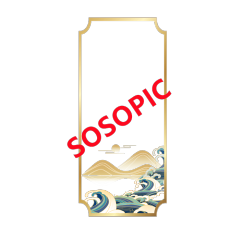
Chinese Screen Style Border Template with Chinese Landscape Elements
File Type:PNG
This Chinese screen style border template seamlessly integrates the elegance of traditional Chinese screens with the timeless beauty of Chinese landscape elements. Chinese screens, historically used for privacy, decoration, and to partition spaces, carry rich cultural connotations, symbolizing both functionality and artistry. When adorned with classic Chinese landscape motifs, such as towering mountains, flowing rivers, and lush forests, the template becomes a canvas that tells a story of nature's grandeur and the harmonious relationship between humans and the environment. Combining intricate craftsmanship with profound cultural symbolism, this template is an excellent choice for projects that aim to exude traditional Chinese charm and aesthetic appeal.
Design Features
2.1 Border Structure
- Screen - Inspired Frame: The border replicates the lattice patterns and wooden - frame structure of traditional Chinese screens. The frame can feature classic geometric patterns, such as the "window - pane" (窗棂) design, or more elaborate floral and vine motifs, reminiscent of the detailed carvings on antique screens. The frame's texture may mimic the grain of aged wood, adding an authentic and rustic touch.
- Panel - Like Segmentation: Similar to the multi - panel layout of traditional screens, the border can be divided into distinct sections or panels. Each panel can showcase a different part of the Chinese landscape, creating a continuous visual narrative as the eye moves across the border. This segmentation also allows for flexibility in design, enabling the inclusion of various landscape elements in an organized manner.
- Optional Ornate Edging: The edges of the border can be decorated with ornate details, such as gilded trims, painted scrollwork, or embossed patterns. These edging elements enhance the overall luxuriousness of the border, reminiscent of the elaborate decorations found on imperial - style screens.
2.2 Chinese Landscape Elements
- Towering Mountains: Depicted in the classic Chinese ink - wash painting style, the mountains feature bold, sweeping strokes to outline their majestic peaks and slopes. Shades of gray, blue, and green are used to create a sense of depth, with darker tones at the base and lighter ones at the summits. Some mountains may be covered in mist, adding an ethereal and mysterious quality, symbolizing the spiritual connection between the earthly and the celestial.
- Flowing Rivers and Streams: Rivers are illustrated with smooth, curving lines to represent the flow of water. The water may be depicted in shades of blue and white, with gentle ripples and waves to show movement. Bridges, boats, or fishermen can be added to the river scenes, bringing life and human elements into the landscape, and reflecting the traditional Chinese appreciation for the harmony between nature and human activities.
- Lush Forests and Gardens: Forests are shown with clusters of trees, each tree drawn with individual branches and leaves. Different types of trees, such as pine, bamboo, and plum, can be included, each carrying its own symbolic meaning in Chinese culture. Gardens may feature rockeries, ponds, and pavilions, adding an element of tranquility and elegance. The use of various green hues and the careful arrangement of plants create a sense of lushness and vitality.
2.3 Color Scheme
- Earth Tones and Traditional Hues: Predominantly using earthy colors like browns, greens, and grays to represent the natural elements of the landscape. Traditional Chinese colors such as vermilion, gold, and black can be used sparingly for accents, highlighting important details like the edges of the frame, the roofs of pavilions, or the trunks of ancient trees. This color combination creates a harmonious balance between the natural beauty of the landscape and the refined elegance of the screen - style border.
- Ink - Wash Influence: Drawing inspiration from Chinese ink - wash paintings, the color application may feature soft gradients and subtle shading. This gives the landscape elements a sense of depth and dimension, similar to the way ink is applied on rice paper to create a three - dimensional effect. The use of white space is also crucial, as it mimics the "blank space" (留白) technique in Chinese art, adding a sense of simplicity and elegance.
2.4 Composition and Layout
- Narrative Flow: The arrangement of the landscape elements within the border panels follows a narrative flow, guiding the viewer's eye from one scene to another. For example, the story may start with a distant mountain range, leading to a flowing river that winds through a forest, and ending with a serene garden or a secluded pavilion. This sequential layout creates a sense of journey and exploration, engaging the viewer and immersing them in the beauty of the Chinese landscape.
- Balance and Harmony: Despite the complexity of the landscape elements, the overall composition maintains a sense of balance and harmony. The distribution of colors, shapes, and textures is carefully considered to ensure that no single element overwhelms the others. The use of symmetry and asymmetry is also employed strategically, adding visual interest while maintaining the overall stability of the design.
Application Scenarios
3.1 Cultural and Artistic Projects
- Calligraphy and Painting Exhibitions: As a decorative frame for traditional Chinese calligraphy works or ink paintings, the border template enhances the cultural and artistic atmosphere of the exhibition. The landscape elements complement the themes often found in these art forms, creating a cohesive and immersive viewing experience.
- Museum Displays: Ideal for museum displays related to Chinese history, culture, or art. The border can be used to frame artifacts, photographs, or informational panels, adding a touch of authenticity and elegance to the exhibits. It helps to transport visitors back in time and provides a visual context for understanding Chinese cultural heritage.
- Theater and Stage Design: For traditional Chinese theater performances, such as Peking Opera or Kunqu, the border template can be used as a stage backdrop or as part of the set design. The landscape elements create a vivid and immersive environment, enhancing the storytelling and the overall aesthetic of the performance.
3.2 Product Packaging
- Chinese Tea and Traditional Medicine: Perfect for packaging high - end Chinese tea or traditional medicine products. The design conveys a sense of tradition, quality, and natural health, appealing to consumers who appreciate cultural and artisanal products. The landscape elements on the border can also evoke the natural origins of the tea or medicine, emphasizing their purity and effectiveness.
- Chinese - Inspired Home Decor: Suitable for packaging home decor items such as porcelain vases, silk scarves, or wooden carvings. The border template adds a touch of elegance and cultural charm, making the products more attractive to customers who are interested in Chinese - style interior design. It helps to showcase the craftsmanship and cultural significance of the items, enhancing their marketability.
3.3 Digital Media and Branding
- Website and App Design: As a decorative element for websites or apps related to Chinese culture, tourism, or traditional art. The border can be used as a header, footer, or frame for content, creating a cohesive and visually appealing user experience. The landscape elements and the screen - style design reflect the cultural identity of the brand, making it more memorable and engaging for users.
- Social Media Graphics: Ideal for creating eye - catching graphics for social media posts about Chinese festivals, traditions, or cultural events. The unique design of the border stands out in the digital space and effectively conveys the cultural message to the audience. It can be used to frame images, quotes, or promotional content, adding a touch of sophistication and cultural flair.


