

1/1
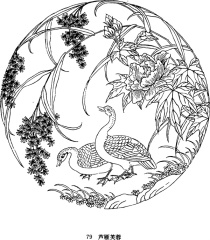
Chinese Embroidery Black & White Line Draft Template: Migratory Geese Resting Together in Wild Grass
No.
SKU:
File Type:AI
This Chinese embroidery black & white line draft template captures the tender tranquility of post-migration rest, depicting two migratory geese nestled close in a patch of windswept wild grass—one leaning its head against the other’s back for warmth, the other with wings slightly draped over its companion, as if sharing comfort after a long journey. Rooted in traditional Chinese “companionship in nature” aesthetics (where paired creatures and untamed vegetation symbolize unity and peace), the design uses nuanced line variation to distinguish textures: soft, flowing strokes define the geese’s downy underfeathers and sleek wing plumage, jagged, wind-tousled lines shape the grass’ wild growth, and faint, dotted lines craft small ground details (stones, dry leaves). Rendered in monochrome, it balances the geese’s quiet intimacy with the grass’ rugged vitality, making it an exquisite foundation for embroidery projects celebrating companionship, rest, and the beauty of nature’s gentle bonds.
Design Details
Textured Linework & Tender Charm
A. Central Motif: Two Companion Geese
The geese embody quiet intimacy, their postures capturing the “weary yet connected” state of migratory birds finding solace in each other:
- First Goose (Leaning for Comfort): It sits slightly hunched, body angled toward its companion, with its long neck curved to rest its head gently on the other goose’s back. Its feathers are rendered in layered lines: soft, short strokes for the downy underbelly (mimicking fluffiness and warmth) and longer, smoother strokes for the wings (with subtle parallel lines to suggest feather rows). Its beak is closed, a thin, curved line tucked near the other goose’s feathers, and its eyes are hidden—conveying complete trust and relaxation. Its webbed feet are partially visible, small triangular shapes with thin webbing lines, tucked under its body but angled toward its companion, reinforcing closeness.
- Second Goose (Sheltering Its Mate): It sits upright but relaxed, body slightly larger to frame its companion, with one wing gently draped over the first goose’s back—creating a “sheltering” effect. Its feathers are rendered in crisper lines than the first goose: sleek strokes along its neck (emphasizing elegance) and dense, overlapping lines on its draped wing (to show thickness and protective intent). Its head is turned slightly downward, beak tilted toward the first goose as if checking on it, and its eyes are small, calm dots framed by a soft curve—alert but not tense. Both geese have subtle, wispy lines along their feather edges to mimic the softness of down, avoiding harshness that would disrupt their tender dynamic.
B. Complementary Motif: Windswept Grass & Ground
The grass and ground create a rugged, natural setting that highlights the geese’s vulnerability and connection:
- Windswept Wild Grass: Clusters of tall grass surround the geese, stems rendered in jagged, uneven lines that all curve gently to the right—suggesting a soft, constant breeze. Grass blades vary in length: some reach above the second goose’s head, their tips slightly bent; others are shorter, dense around the geese’s bodies to create a “nest-like” feel. A few grass stems have tiny, split ends (short, dashed lines) to mimic natural wear, and some are grouped in thick clusters (dense lines) while others stand alone (thin lines)—adding depth without clutter. A single, thin stalk of wild wheat (with a small, feathery top made of tiny lines) grows near the geese’s feet, adding a touch of rural detail.
- Ground Details: The ground beneath the grass is rendered in soft, irregular strokes—mimicking dry, patchy soil with scattered dry leaves (small, curved lines) and tiny stones (round dots). A few thin, twisted lines (representing gnarled roots or dead grass) are scattered near the geese’s feet, grounding the scene in a lived-in, natural landscape. No bright or distracting elements are added; the focus remains on the geese’s companionship.
Composition & Flow
The design follows a “heart-shaped” flow: the two geese form the core of a loose heart, with the second goose’s body and draped wing creating the top curve, and the first goose’s leaning form creating the bottom point. The surrounding grass curves outward, framing this core and guiding the eye from the geese’s connected bodies, out to the windswept grass, then back to the sheltering wing—creating a slow, nurturing rhythm that mirrors the geese’s bond. Negative space is strategic: open areas above the second goose’s head prevent grass from overwhelming the “sheltering” gesture, while gaps between grass blades near the geese’s bodies let their tender interaction shine.
Cultural Significance
In Chinese culture, this motif weaves together layers of symbolic meaning tied to companionship, rest, and loyalty:
- Migratory Geese: Wild geese (“dayan”) are iconic symbols of loyalty and reunion—they mate for life and fly in formation to support each other during long migrations. Here, their post-migration rest and physical closeness amplify “enduring companionship”—the idea that true connection provides comfort after hardship. They also symbolize “safe return,” as their arrival at a resting spot signifies the end of a journey and the start of peace.
- Windswept Grass: Symbolizes resilience and humility—grass endures harsh winds and weather but remains soft and nourishing, representing “quiet strength that supports others.” Its windswept direction also suggests “journey” (the same wind that guided the geese’s migration now surrounds them), linking the grass to the geese’s shared experience.
- Goose-Grass Symbiosis: The combination of 依偎 ing geese and wild grass embodies “comfort in simplicity”—the geese find safety not in grand shelters, but in each other and the humble grass. This reflects the Chinese philosophical value of “jian de” (contentment with simplicity), celebrating the peace found in small, genuine connections rather than excess.
Together, the motif conveys a wish for “enduring companionship” and “peace after journey”—a celebration of the comfort of shared rest, the loyalty of true bonds, and the beauty of finding solace in nature and each other.
Application Scenarios
- Home Decor: Perfect for embroidered wall hangings in bedrooms, living rooms, or cozy reading nooks—spaces where warmth and connection are celebrated. It complements earthy textiles (linen, wool), wooden furniture, or rustic-themed decor, adding a touch of tender serenity.
- Gifts: Ideal for anniversaries (celebrating enduring love), housewarmings (wishing a home filled with comfort), or for someone recovering from a busy period (a reminder to rest). Embroidered onto linen cushions, throw blankets, or framed art, it becomes a meaningful keepsake of connection and peace.
- Everyday Accessories: Suitable for embellishing loungewear, tote bags for nature walks, or journal covers—where the geese’s gentle bond adds an uplifting, heartfelt detail. The monochromatic palette pairs beautifully with muted browns, soft greens, or warm beiges (echoing natural tones), ensuring versatility.


