

1/1
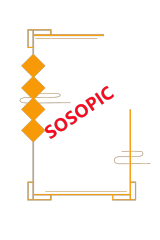
Chinese Classical Square Decorative Border Template
File Type:PNG
This Chinese classical square decorative border template is a masterpiece that encapsulates the essence of traditional Chinese art and culture. The square shape, deeply rooted in Chinese philosophy, symbolizes stability, the four directions, and the harmonious connection between heaven and earth. Adorned with a rich array of classical decorative patterns, this template exudes an air of elegance and timeless charm. Drawing inspiration from ancient Chinese architecture, imperial artifacts, and traditional handicrafts, it seamlessly blends cultural symbolism with exquisite design, making it an ideal choice for projects that aim to evoke a sense of historical grandeur and classic Chinese aesthetics. Whether used in digital designs, product packaging, or print media, this border template adds a touch of refined cultural elegance to any creation.
Design Features
2.1 Square Border Structure
- Symbolic Square Frame: The square border serves as the foundational element of the template, representing the traditional Chinese concept of “the earth is square” (地方). Its straight lines and right angles convey a sense of order, stability, and balance, reminiscent of the structured layout of ancient Chinese courtyards and buildings. The border can be crafted in different widths; a narrow border offers a delicate and refined look, suitable for minimalist - inspired designs, while a wider border makes a bold statement, emphasizing the solidity and grandeur of the square shape. The edges of the square can be finished with clean, sharp lines for a modern - classic hybrid style or elaborately decorated with intricate carvings, such as beveled edges or stepped profiles, to enhance its traditional charm.
- Texture and Material Representation: To enhance the authenticity of the classical style, the border can incorporate textures that mimic traditional Chinese materials. A weathered wood - grain texture can evoke the charm of ancient wooden doors and window frames, adding a rustic and historical feel. Alternatively, a smooth, glossy finish that resembles polished bronze or lacquered wood can be applied to create a more luxurious and refined appearance, similar to that of precious imperial artifacts. Subtle embossments of traditional patterns, such as the “回” (loop) pattern symbolizing infinity or the “万字” (swastika - like) pattern representing good luck, can also be added along the border to further enrich its cultural and visual appeal.
2.2 Decorative Patterns
- Classic Chinese Motifs: The border is adorned with a variety of classic Chinese decorative patterns that carry profound cultural meanings. Dragons, the most powerful symbol in Chinese mythology, are depicted with sinuous bodies, fierce claws, and swirling manes, representing power, authority, and good fortune. Phoenixes, often associated with the empress, are illustrated with gracefully spread wings and resplendent feathers, symbolizing beauty, harmony, and rebirth. Other traditional motifs include the lotus, which represents purity and enlightenment; the peony, a symbol of wealth and nobility; and the cloud patterns, known as “祥云” (auspicious clouds), signifying divine blessings and good luck. These motifs are intricately detailed, capturing the essence of traditional Chinese artistry.
- Intricate Pattern Combinations: The decorative patterns are not used in isolation but are skillfully combined to create a harmonious and visually captivating composition. For example, dragons may be intertwined with clouds, symbolizing their dominance over the heavens, while phoenixes can be surrounded by floral motifs, enhancing their association with beauty and nature. The patterns are also layered and interwoven, creating a sense of depth and complexity. Delicate filigree work, similar to the metalwork seen in ancient Chinese jewelry and artifacts, may be incorporated to add an extra layer of intricacy. The use of negative space between the patterns is carefully considered to ensure that the design does not appear overcrowded, allowing each motif to shine and contributing to the overall balance of the border.
2.3 Color Scheme
- Traditional Color Palette: The color scheme of the border template is inspired by the rich and timeless hues of traditional Chinese art. Red, the most auspicious color in Chinese culture, is often used to symbolize good luck, joy, and prosperity. It can be applied as an accent color to highlight key elements of the patterns, such as the eyes of the dragon or the petals of the peony. Gold, representing wealth, nobility, and imperial splendor, is another prominent color, used to outline the patterns or add a touch of luxury. Other colors commonly found in classical Chinese art, such as deep blue (symbolizing the sky and the sea), green (associated with nature and longevity), and black (representing solemnity and mystery), may also be incorporated in a harmonious blend.
- Color Symbolism and Harmony: Each color in the palette is chosen not only for its aesthetic appeal but also for its symbolic meaning. The combination of these colors is carefully balanced to create a sense of harmony and visual unity. For example, the contrast between the vibrant red and the regal gold creates a striking and auspicious look, while the addition of blue and green brings a sense of calm and natural beauty. The use of shading and gradient effects within the patterns helps to create a sense of depth and dimension, enhancing the three - dimensional appearance of the decorative elements.
2.4 Composition and Layout
- Balanced and Symmetrical Design: The composition of the border follows the principles of balance and symmetry, which are highly valued in traditional Chinese art. The square shape provides a stable framework, and the decorative patterns are evenly distributed around the four sides, creating a sense of order and stability. Symmetrical arrangements of motifs, such as pairs of dragons or phoenixes facing each other, are commonly used to enhance the sense of harmony and balance. The use of repeating patterns also contributes to the overall unity of the design, while the variation in the size and orientation of the motifs adds visual interest.
- Visual Hierarchy: A clear visual hierarchy is established within the design to guide the viewer's eye. The square border serves as the primary visual anchor, defining the boundaries of the composition. The larger and more prominent decorative motifs, such as the dragons and phoenixes, are positioned as focal points, drawing the viewer's attention. Smaller, more delicate patterns, such as floral motifs and filigree work, are used to fill in the spaces between the focal points, adding detail and texture. The use of contrast in size, color, and pattern density helps to create a sense of depth and visual interest, ensuring that the viewer is engaged with the design from all angles.
3. Application Scenarios
3.1 Digital Media
- Cultural Heritage Websites: Ideal for websites dedicated to Chinese history, culture, and art. The border template can be used as a header, footer, or content divider, instantly imbuing the website with a rich cultural atmosphere. It can also be incorporated into interactive elements, such as buttons, menus, and image galleries, enhancing the overall user experience and reinforcing the cultural theme of the site.
- Digital Art and Social Media Graphics: Well - suited for creating digital artworks, illustrations, and social media graphics. Whether it's a digital poster for a Chinese cultural event, a social media post celebrating traditional art forms, or a graphic for a cultural heritage project, the border template adds a touch of elegance and authenticity. Its unique and eye - catching design is sure to stand out on digital platforms, attracting attention and effectively conveying the cultural message.
3.2 Product Packaging
- Traditional Chinese Products: Excellent for packaging traditional Chinese products, such as Chinese teas, porcelain, silk products, and traditional handicrafts. The cultural elements in the border enhance the perceived value of the products, appealing to consumers who appreciate the beauty and cultural significance of Chinese traditions. The template can be customized to fit various packaging sizes and shapes, ensuring a consistent and attractive brand image.
- Gifts and Souvenirs: Ideal for wrapping paper, gift boxes, and souvenir packaging, especially for items related to Chinese culture. The border template adds a touch of elegance and cultural charm to the packaging, making the gifts more special and memorable. It is particularly suitable for gifts given on special occasions, such as Chinese New Year, weddings, and other traditional festivals.
3.3 Print Media
- Magazine and Book Layouts: Can be used as a border for magazine covers, spreads, book covers, and chapter headers in publications related to Chinese culture, history, art, and fashion. When featuring articles about ancient China, traditional art forms, or high - end products inspired by Chinese aesthetics, the border template adds a visually appealing and relevant frame that enhances the overall aesthetic of the print materials, enriching the reading experience.
- Posters and Invitations: Perfect for creating posters and invitations for Chinese cultural events, performances, exhibitions, and festivals. The unique and elegant design of the border effectively conveys the theme and cultural significance of the event, making the posters and invitations stand out and attract the target audience. Whether it's an art exhibition, a traditional music concert, or a Chinese New Year celebration, this template sets the right tone.


