

1/1
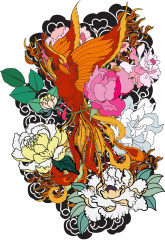
Ancient Japanese Auspicious Beast Decoration: Beautiful Fire Phoenix with Flower Background
File Type: AI
This decoration background image, rooted in ancient Japanese auspicious beast elements, features a stunning fire phoenix surrounded by a profusion of 鲜花 (fresh flowers). With its vibrant and 华丽 (gorgeous) color palette, it blends the phoenix’s fiery vitality and graceful elegance with the flowers’ delicate beauty, creating a scene that radiates prosperity, renewal, and divine grace. Suitable for cultural exhibitions, wedding venues, sacred spaces, or high-end interiors, it embodies the profound symbolism of rebirth, immortality, and harmony in ancient Japanese culture.
The Beautiful Fire Phoenix
Elegant Form and Fiery Colors
The fire phoenix, the focal point of the image, exudes unparalleled beauty and grace. Its body is sleek and streamlined, with a long, slender neck that curves gently, adding to its elegant posture. The plumage covering its body is a spectacular array of fiery hues—crimson, scarlet, orange, and gold—resembling dancing flames that seem to glow from within. Each feather is meticulously detailed, with the tips of the wing feathers fading into a soft gold, creating a gradient effect that mimics the way fire lightens at its edges.
The phoenix’s wings are partially spread, as if in mid-flight or about to take off, with the feathers fanning out in layers that create a sense of depth and movement. Its tail feathers are particularly striking—long, flowing, and adorned with intricate patterns that look like burning embers, trailing behind it like a 绚丽 (gorgeous) cloak of fire. The phoenix’s head is crowned with a crest of golden feathers that stand upright, and its eyes, like bright amber gems, are full of warmth, wisdom, and a hint of mystery. Its beak is sharp yet delicate, and it holds a small twig with a tiny blossom in its mouth, symbolizing the cycle of life and renewal.
Cultural Symbolism
In ancient Japanese culture, the fire phoenix, known as hō-ō, is a sacred and highly revered auspicious beast. It is a symbol of rebirth and immortality, believed to rise from its own ashes, representing the ability to overcome adversity and start anew. The phoenix is also associated with peace, prosperity, and good fortune, said to appear only during times of great harmony and happiness. Its fiery colors symbolize passion, vitality, and the transformative power of fire, which purifies and renews. As a celestial creature, it embodies the yin energy—nurturing, graceful, and connected to the spiritual realm—bringing blessings of joy and abundance wherever it appears.
3. The Flower Background
Abundant and Vibrant Blooms
The background is filled with a rich variety of 鲜花 (fresh flowers) in full bloom, creating a lush and colorful setting for the phoenix. There are cherry blossoms in soft pink and white, their delicate petals unfurling to reveal tiny golden stamens. Peonies, in deep pink, magenta, and white, with large, ruffled blooms, add a sense of opulence and prosperity. Chrysanthemums, in yellow, white, and red, with their intricate, layered petals, contribute to the diversity of the floral display. Also present are lilies in white and pink, with their elegant, trumpet-shaped flowers, and azaleas in bright pink and purple, adding splashes of vivid color.
The flowers are arranged in a way that surrounds the phoenix, with some growing at the base, others climbing up the sides, and petals floating gently in the air, as if carried by a soft breeze. The colors of the flowers—from soft pastels to bold, vibrant shades—complement the phoenix’s fiery plumage, creating a harmonious and visually stunning scene.
Symbolism of the Flowers
In Japanese culture, each type of flower carries its own unique symbolism. Cherry blossoms represent beauty, transience, and the fleeting nature of life, reminding us to cherish each moment. Peonies symbolize prosperity, good fortune, and honor, making them a popular flower in auspicious decorations. Chrysanthemums are associated with longevity, nobility, and resilience, often used in celebrations of long life. Lilies signify purity, innocence, and renewal, while azaleas embody passion, joy, and femininity. Together, the abundance of flowers in the background amplifies the positive energy of the phoenix, symbolizing a bountiful, joyful, and harmonious life. They also represent the connection between the celestial phoenix and the earthly realm, as the flowers provide a grounded, natural setting for the divine bird.
4. Harmonious Color Palette
The color palette of the image is a perfect blend of warmth and vibrancy. The fire phoenix’s fiery reds, oranges, and golds are the dominant hues, exuding energy and vitality. These are beautifully complemented by the flowers’ colors—soft pinks, whites, yellows, and purples—that add depth and balance to the scene. The gold in the phoenix’s plumage and crest echoes in the stamens of the flowers, creating a cohesive link between the bird and its surroundings. The use of light is masterful, with the phoenix’s glowing feathers illuminating the surrounding flowers, making their colors appear even more vivid and lifelike. The overall effect is a rich, harmonious display of colors that is both visually striking and emotionally uplifting.
5. Harmony of Elements
Visual Interaction
The composition of the image is designed to create a sense of harmony between the fire phoenix and the flowers. The phoenix is positioned in the center, with the flowers surrounding it in a natural, organic way that frames the bird without overwhelming it. The curve of the phoenix’s neck and the spread of its wings are mirrored in the way the flowers arch and bloom, creating a sense of flow and unity. The floating petals in the air connect the phoenix to the lower part of the image where the densest clusters of flowers grow, ensuring that the entire scene feels interconnected.
Cultural Fusion
Together, the fire phoenix and the flowers embody the ancient Japanese concept of wa (harmony), which emphasizes the balance and interconnectedness of all things. The phoenix, as a symbol of the spiritual and celestial, and the flowers, representing the earthly and natural, come together to create a scene that reflects the harmony between the divine and the mortal. This fusion also captures the essence of mutsugoto (the beauty of things), a Japanese aesthetic that appreciates the beauty in the coexistence of different elements. The image conveys the idea that true beauty and prosperity come from the balance between the extraordinary and the ordinary, the spiritual and the physical.
6. Aesthetic and Cultural Depth
The artwork draws inspiration from traditional Japanese yamato-e paintings and rinpa school art, which are known for their vibrant colors, attention to natural details, and symbolic imagery. The detailed rendering of the phoenix’s feathers and the flowers’ petals reflects the meticulous craftsmanship of these traditional art forms. Culturally, the image is rich in meaning, drawing on ancient Japanese myths and beliefs about the phoenix as a bringer of good fortune and the flowers as symbols of various positive virtues. It invites viewers to reflect on the themes of renewal, gratitude for the beauty of nature, and the presence of the divine in everyday life.
7. Application Scenarios
This decoration is versatile and suitable for a range of spaces:
- Cultural Exhibitions: It can be displayed in exhibitions focusing on ancient Japanese auspicious beasts, showcasing the symbolism and beauty of the fire phoenix.
- Wedding Venues: The phoenix’s association with renewal and the flowers’ symbolism of joy and prosperity make it perfect for weddings, adding a touch of elegance and meaning.
- Sacred Spaces: Temples, shrines, or meditation rooms can benefit from its presence, as it radiates a sense of peace, spirituality, and divine blessing.
- High-End Interiors: Luxury homes, hotels, or restaurants can use it to add a touch of sophistication, color, and cultural depth to their decor.


